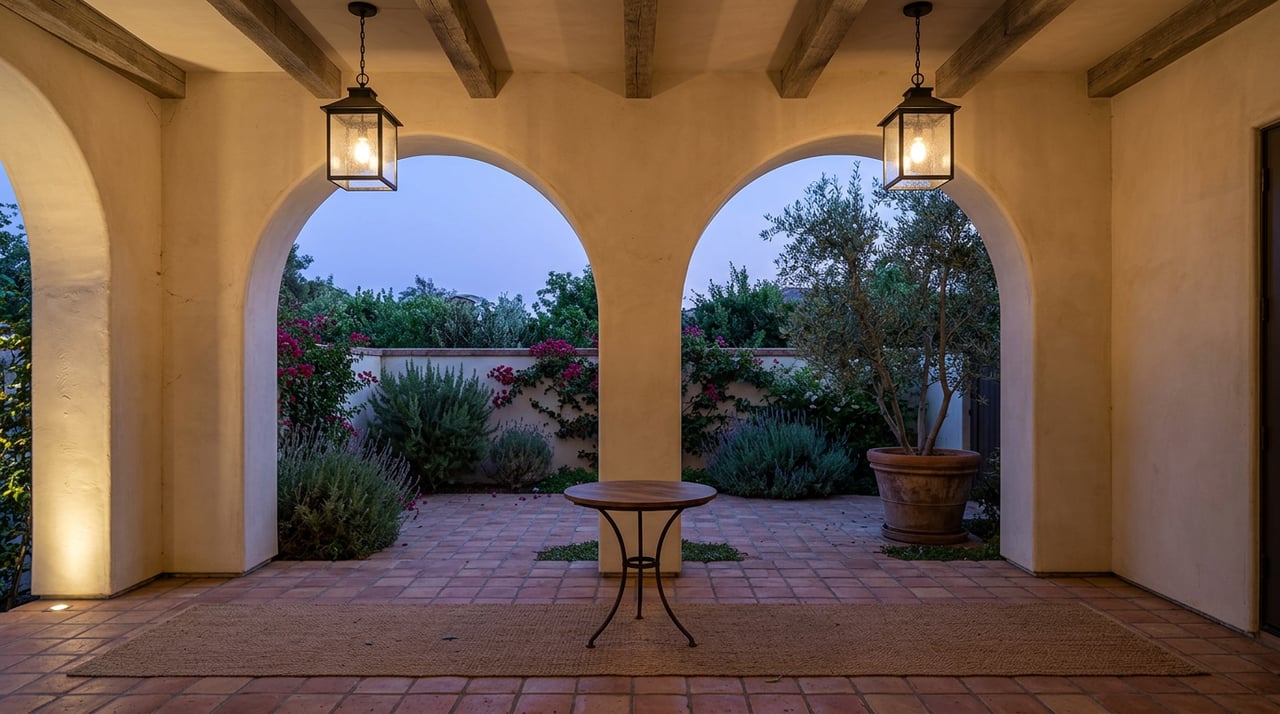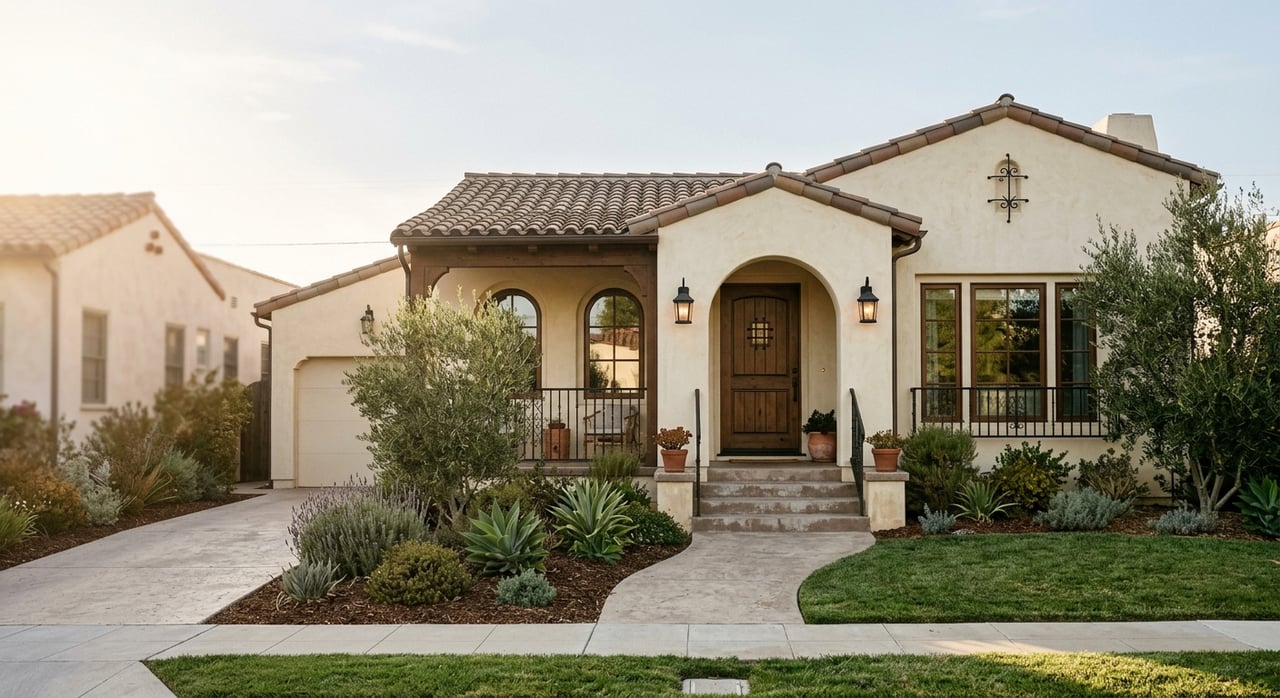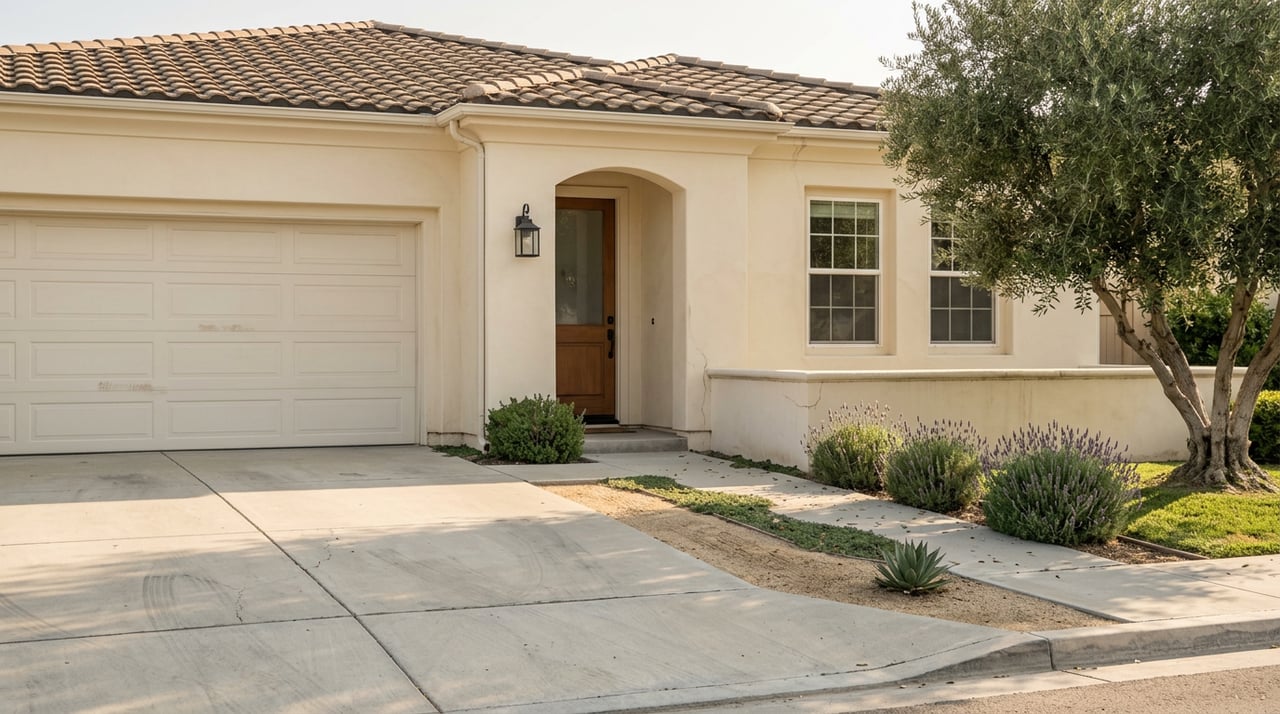
Two listings crossed my desk this month that sat within a few thousand dollars of each other, same square footage range, same era of construction, same kind of buyer touring both. One sits in Greer Ranch. The other sits in an older, established Murrieta pocket. Compare the sticker prices side by side and you'd guess the monthly payments land close together too.
They don't. The gap between what those two buyers actually pay each month has almost nothing to do with the list price on the sign, and everything to do with a tax district most buyers never think to ask about until it shows up on their first bill.
The Story Everyone Already Knows
If you've spent any time comparing Murrieta to Temecula, you've seen this version of events: Murrieta is the value play. As of spring 2026, Murrieta's median home price sat in the $620,000 to $700,000 range while Temecula ran $720,000 to $840,000, a gap wide enough that buyers stretching for a specific school boundary or a shorter commute often land in Murrieta simply on price. Murrieta's own numbers back that up close to real time. In August 2026, homes listed to buy in Murrieta carried a median price of $695,000, down slightly from the month before and flat compared to a year earlier, with price per square foot easing to $305.
That's a true story. It's also the one every market update repeats, and it stops short of the number that actually decides your monthly payment.
Where the Story Breaks Down
The missing variable is the Community Facilities District your specific parcel sits inside, better known as Mello-Roos. It's a special tax layered on top of your regular property tax bill to pay for the roads, sewer lines, parks, and sometimes schools that a new development needed before the county's standard tax revenue could cover it. Because it's authorized separately from the 1% base rate Proposition 13 caps, a Mello-Roos assessment isn't tied to your home's value or capped the way your regular property tax is. It's set by the district's own formula, and it rides along with the parcel for as long as the bond behind it stays unpaid, typically 20 to 40 years from when the district formed.
Here's what that means inside Murrieta specifically. An older, established pocket like Montserrat carries a combined property tax and special-assessment rate under 1.20%. Greer Ranch, a newer Murrieta community, runs closer to 1.9%. Just outside Murrieta's border in the Winchester and French Valley corridor, Spencer's Crossing carries a combined rate near 2.2%.
Run that spread against Murrieta's own August 2026 median of $695,000 and the gap stops being trivia. At roughly 1.9%, that home carries about $13,200 a year in combined property tax and assessments. At roughly 1.20%, it's closer to $8,300. That's a difference of nearly $4,900 a year, or about $400 a month, before either buyer has made a single mortgage payment. For context on how normal that spread is statewide, mortgage lenders tracking CFD-heavy zip codes have found effective property tax rates in those areas commonly land between 1.5% and 1.7%, against 1.1% to 1.3% in areas without a special district.
Put those two facts together and the Murrieta-versus-Temecula price gap starts to look smaller than the gap you can find by picking the wrong street inside Murrieta itself.
Temecula Has the Same Problem, Just Under a Different Name
If you're weighing Murrieta against Temecula specifically because you assumed Temecula's Mello-Roos situation was simpler, it isn't. Temecula incorporated in 1989, the year before its population began the climb from roughly 27,000 residents to more than 110,000 today, and nearly every subdivision built during that growth sits inside at least one Community Facilities District. The assessments funded real, specific things: schools in Redhawk, a fire station in Harveston, arterial roads through Wolf Creek, sewer capacity near Butterfield Stage Road.
Most Temecula homes built after 1990 pay between $1,000 and $3,700 a year in Mello-Roos, and the range runs on the same logic as Murrieta's. Newer premium communities like Sommers Bend sit at the top of that range. Established 1990s tracts like Paloma del Sol sit near the bottom, and Chardonnay Hills, on the city's east side near wine country, has built a reputation on the same comparatively low tax rate. Crowne Hill's special assessments run roughly $900 to $1,800 a year depending on the section and construction date, while its HOA dues stay modest at around $40 a month.
None of that changes the headline that Temecula runs pricier than Murrieta on a median basis. It does mean the real comparison a buyer needs isn't city against city. It's parcel against parcel, on both sides of the city line.
What the Conflicting Speed Numbers Actually Tell You
There's a second place where the surface data disagrees with itself, and it's worth sitting with because it changes how much negotiating leverage you should expect to walk in with. Murrieta's own August 2026 figures show homes spending a median of 66 days on the market, down about 9% from a year earlier, which reads like a market picking up speed. Data through February 2026 told a different story: homes selling in 82 days, up from 56 days the year before, and a January 2026 snapshot landed in between at 76 days, up about 2% year over year.
Those numbers aren't wrong. They're measuring different slices of the year and different stages of the transaction, list-to-pending versus list-to-close, and Murrieta's market moves seasonally like most of Southern California's. What holds steady across every version of the data is the sale-to-list ratio, which sat at 98.58% as of January 2026, meaning well-priced homes are still closing within a couple percentage points of asking. What has shifted is the frenzy underneath that number. The share of Murrieta homes selling above asking price fell from 37.38% to 29.06% over the same year-over-year window.
Translate that: sellers aren't losing pricing power, but buyers aren't getting outbid by five other offers nearly as often. That's a market settling into a rhythm, not one handing out discounts. It's exactly the kind of environment where the few hundred dollars a month a Mello-Roos rate adds or subtracts matters more than usual, because there's less price flexibility elsewhere to absorb it.
Before You Write an Offer
A few things worth doing before you fall in love with a specific street:
- Ask for the Rate and Method of Apportionment document on any property built after 1990. It spells out the exact special-tax formula and the year the bond retires, not just a rough estimate.
- Run the math on a monthly-payment basis, not a purchase-price basis, before comparing two neighborhoods. A cheaper home in a higher-CFD community can cost more per month than a pricier home without one.
- Don't assume newer automatically means higher assessments or older automatically means none. Verify the specific parcel's tax bill rather than relying on a neighborhood reputation.
A Few Questions Worth Asking
Does a lower Mello-Roos rate mean a better neighborhood? Not necessarily. It usually just means the community was built earlier, before that infrastructure needed a separate funding mechanism, or that the bond behind a newer district has already been paid down. It's a cost question, not a quality one.
Can I negotiate around a high special-tax rate? You can factor it into your offer and your lender conversation, since it counts against your debt-to-income ratio the same way your mortgage payment does. It won't disappear from the parcel, but knowing it early changes what you're willing to pay for the home itself.
Is this the kind of detail I should expect an agent to catch, or do I need to dig for it myself? Both. The disclosure is required, but the person walking you through it should be pulling the actual Rate and Method of Apportionment document and doing the monthly math with you before you're deep into escrow.
If you're weighing a specific Murrieta street against a specific Temecula one, or you want the real tax picture on a parcel before you write an offer, Gena Elfelt can pull it for you and walk through what it means for your actual payment. And if you're selling first to fund the next move, start with a free instant home valuation to see where you stand before the comparison shopping begins.