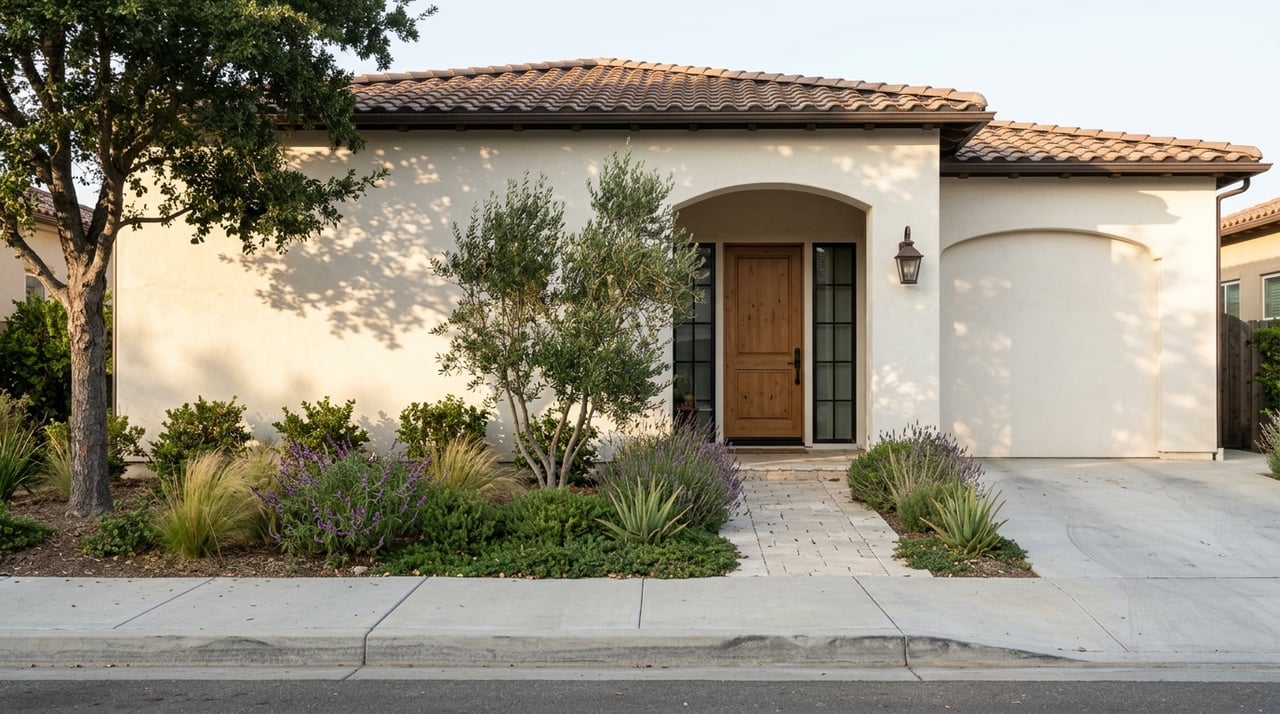
Trying to choose between an HOA home and a non-HOA home in Murrieta? You are not alone. Many buyers here are comparing similar single-family homes that come with very different monthly costs, rules, and maintenance responsibilities. If you want to feel confident about what fits your budget and lifestyle, this guide will help you weigh the real trade-offs. Let’s dive in.
Why this choice matters in Murrieta
In Murrieta, this is often not a simple condo-versus-house decision. According to the City of Murrieta’s Housing Element, most occupied housing units are one-unit detached homes, and the city also reports a wide range of residential lot patterns and neighborhood layouts in its housing planning documents.
That means you may tour two detached homes that look similar on paper, but one may come with HOA dues, shared amenities, and architectural rules, while the other may give you more control over the property with fewer private restrictions. In Murrieta, the better fit often comes down to how you want to live and what level of responsibility you want to take on.
What HOA living means
In California, when you buy into a common interest development, membership in the homeowners association is automatic. The California Department of Real Estate explains that the association’s CC&Rs typically spell out responsibilities for common areas, assessments, insurance, and architectural controls in its consumer HOA guide.
In practical terms, HOA living usually means you agree to a shared system of rules and governance. A board of directors oversees the association, even if a management company handles day-to-day operations. That structure can create more consistency, but it also means you are living within a set of community standards.
Common benefits of an HOA
An HOA can be appealing if you value a more managed environment. Depending on the community, the association may help maintain common areas and support access to shared features like recreational spaces or open space amenities.
Many buyers also like that there is a process for enforcing neighborhood rules. The DRE notes that HOA rules may address things like parking, landscaping, exterior design, and use of certain outdoor areas. If you prefer a more uniform look and shared expectations, that can be a plus.
Common drawbacks of an HOA
The trade-off is cost and oversight. HOA budgets must fund operations, reserves, administration, and contingencies, and those costs are paid through assessments that are often billed monthly, according to the California DRE.
You also give up some flexibility. If you want to change landscaping, park certain vehicles in view, or make exterior updates, you may need to follow specific rules or seek approval first. For some buyers, that is a fair exchange. For others, it feels limiting.
What non-HOA living means
A non-HOA neighborhood usually gives you more freedom in how you use and maintain your property. The California DRE’s Residential Subdivision Buyer’s Guide notes that without an HOA board, owners often have more flexibility over exterior changes, parking choices, and day-to-day property use.
That added freedom comes with more direct responsibility. In most non-HOA settings, you handle your own landscaping, repairs, and upkeep without the support of an association structure. If disputes involve deed restrictions, there is also no HOA board process to step in and handle enforcement.
Why non-HOA can appeal in Murrieta
This option can be especially attractive if you want room to personalize the property or if you are drawn to larger-lot living. Murrieta’s planning framework includes residential areas with larger-lot patterns as well as traditional single-family subdivisions, which helps explain why buyers here often compare very different ownership experiences in the same city.
For buyers looking at edge-of-city homes, ranchettes, or properties with more land, non-HOA ownership may better match the lifestyle. You may have more control, but you should also expect more hands-on maintenance and long-term planning.
What many buyers overlook
No HOA does not mean no rules at all. The City of Murrieta still requires owners to keep property in a clean and safe condition, and its weed and brush management program includes annual notices and inspections in High and Very High Fire Hazard Severity Zones.
If you are considering a larger lot or a home near the edges of town, this matters even more. Vegetation management, defensible space, and routine maintenance may become a bigger part of ownership than you first expected.
Compare costs beyond the mortgage
One of the smartest ways to compare HOA and non-HOA living is to look at total monthly housing cost, not just the list price. An HOA home may include regular dues on top of your mortgage, property taxes, and insurance. A non-HOA home may not have dues, but you may spend more directly on maintenance, repairs, and landscaping over time.
Murrieta buyers should also watch for costs that exist outside the HOA structure. The city says it has formed Community Facilities Districts under the Mello-Roos Act, which can add a special annual tax for debt service or public services. A property may be in an HOA, a CFD, both, or neither.
Quick cost comparison
| Cost Factor | HOA Home | Non-HOA Home |
|---|---|---|
| Monthly dues | Usually yes | Usually no |
| Common-area maintenance | Often shared through dues | Typically not shared |
| Exterior flexibility | Often limited by rules | Usually more flexible |
| Property upkeep | Some responsibilities may be shared | Mostly owner-managed |
| Possible CFD tax | Maybe | Maybe |
Know how California HOA rules work
If you are open to an HOA home, it helps to know that California law puts some limits on how associations operate. For example, Civil Code Section 5605 limits regular assessment increases over certain thresholds without member approval, and it also limits special assessments above certain budget-based levels without approval.
Reserve planning matters too. The DRE and California law explain that associations must budget for future repair and replacement needs, and Civil Code Section 5550 requires a reserve-study process with a visual inspection of major components at least once every three years when the statutory threshold is met. For buyers, this is a reminder that the monthly dues alone do not tell the whole story. You also want to understand whether the HOA appears to be planning responsibly.
Questions to ask before you decide
Whether you are leaning toward HOA or non-HOA, the best decision usually comes from document review and property-specific due diligence. The California DRE advises buyers to read the public report in new subdivisions and review important items such as utilities, roads, use restrictions, zoning, hazards, and financial arrangements in its buyer guidance.
If the home is in an HOA, ask for:
- CC&Rs
- Bylaws
- Rules and regulations
- Current budget
- Reserve disclosures
- Recent board minutes, if available
- Assessment information and billing schedule
If the home is not in an HOA, ask about:
- Property maintenance demands
- Lot size and vegetation management needs
- Any deed restrictions
- Whether the property is in a CFD
- Ongoing repair and landscaping costs
Which option fits your lifestyle?
HOA living may be the better choice if you want more predictable common-area maintenance, shared amenities, and clearer private enforcement of appearance standards. This can be a strong fit if you prefer a more structured ownership experience and do not mind paying for that structure through dues.
Non-HOA living may be the better fit if you value flexibility, want fewer private rules, or are drawn to larger lots and more independent property use. This can be especially appealing if you are comfortable managing upkeep yourself and want more freedom to shape the property over time.
In Murrieta, there is no one-size-fits-all answer. The right choice depends on your budget, your tolerance for rules, and how involved you want to be in maintaining the property.
If you are weighing HOA versus non-HOA living in Murrieta, working with a local expert can help you look past the listing photos and focus on how a home will actually work for you. Gena Elfelt can help you compare neighborhoods, review the practical cost differences, and find the right fit for your goals.
FAQs
What does an HOA usually cover for Murrieta homes?
- In a California common interest development, HOA documents typically address common-area responsibilities, assessments, insurance requirements, and architectural controls, according to the California DRE.
Are non-HOA homes in Murrieta free from property rules?
- No. Even without an HOA, Murrieta property owners must still follow city requirements for property maintenance, and some homes may also be subject to deed restrictions or CFD taxes.
Can a Murrieta home have both an HOA and Mello-Roos-style taxes?
- Yes. The City of Murrieta states that some properties may be located within a Community Facilities District, which means a home can have HOA dues, CFD special taxes, both, or neither.
What documents should buyers review for an HOA home in Murrieta?
- Buyers should review the CC&Rs, bylaws, rules, budget, reserve disclosures, and recent board minutes if available, along with any public report or disclosure package tied to the property.
Is HOA living or non-HOA living better for larger-lot Murrieta properties?
- It depends on your preferences. Larger-lot properties may offer more flexibility outside an HOA, but they can also come with more owner responsibility for upkeep, vegetation management, and long-term maintenance.