Shopping acreage in Santiago Ranchos and picturing a perfect barn, shop, and arena? The right property can deliver that lifestyle, but small misses on wells, septic, permits, or fire access can turn into big costs. This guide walks you through what Santiago Ranchos means locally, how lots and outbuildings are typically set up, and the exact checks to make before you buy. You will leave with a concise checklist and the right experts to call. Let’s dive in.
Santiago Ranchos at a glance
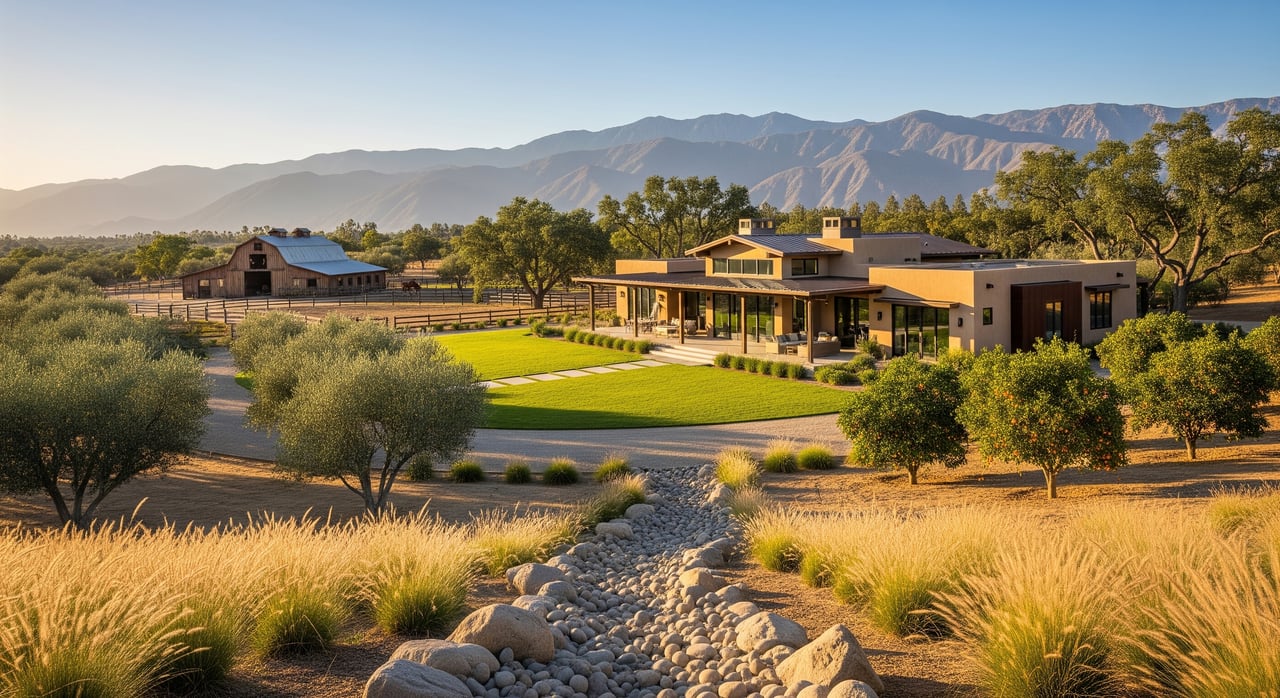
Locals use “Santiago Ranchos” to describe a stretch of larger-lot, equestrian-friendly properties in the Temecula Valley, often marketed as Santiago Ranchos or Santiago Estates. Parcels commonly range from about 1 to 5+ acres. Many include barns, shops, paddocks, and sometimes arenas.
Parcels here can sit inside the City of Temecula or in unincorporated Riverside County. That split determines who issues permits, how septic and wells are handled, and which fire authority sets access rules. Always verify city vs. county jurisdiction early using parcel records and code references like the City of Temecula code portal.
Water service varies by parcel. Some lots connect to a public district such as Rancho California Water District (RCWD). Others use private wells. Confirm the provider and meter capacity if public, or well details if private. You can start by reviewing Rancho California Water District resources and then verify with the seller and assessor.
Environmental overlays can affect new buildings or expansions. In Western Riverside County, the MSHCP may require surveys or mitigation. Ask Planning/TLMA whether your parcel falls within a conservation cell. Learn more in the county’s MSHCP materials.
Common setups you will see
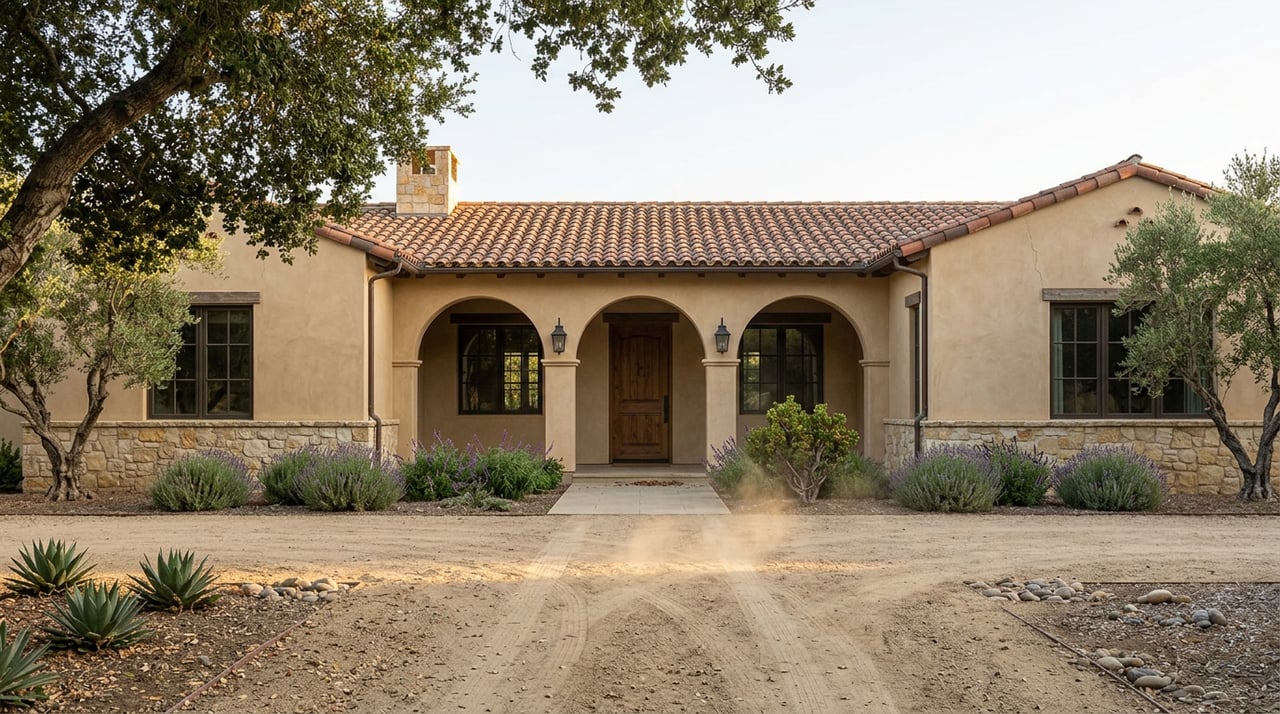
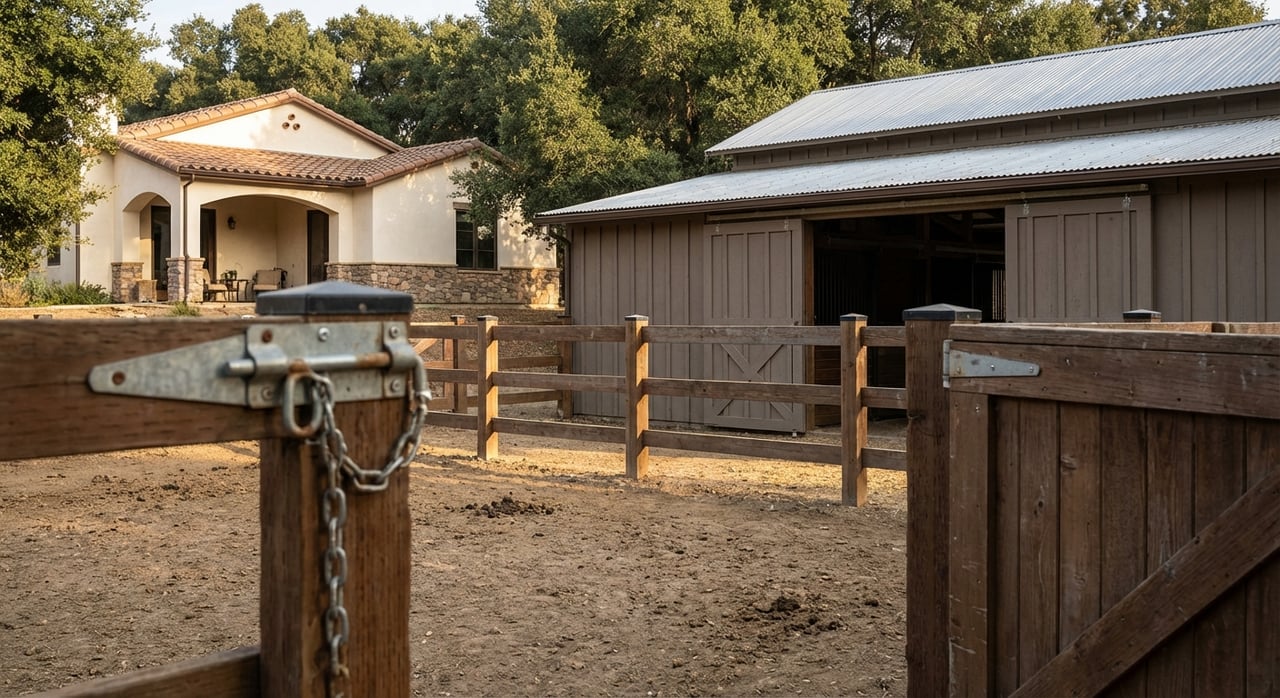
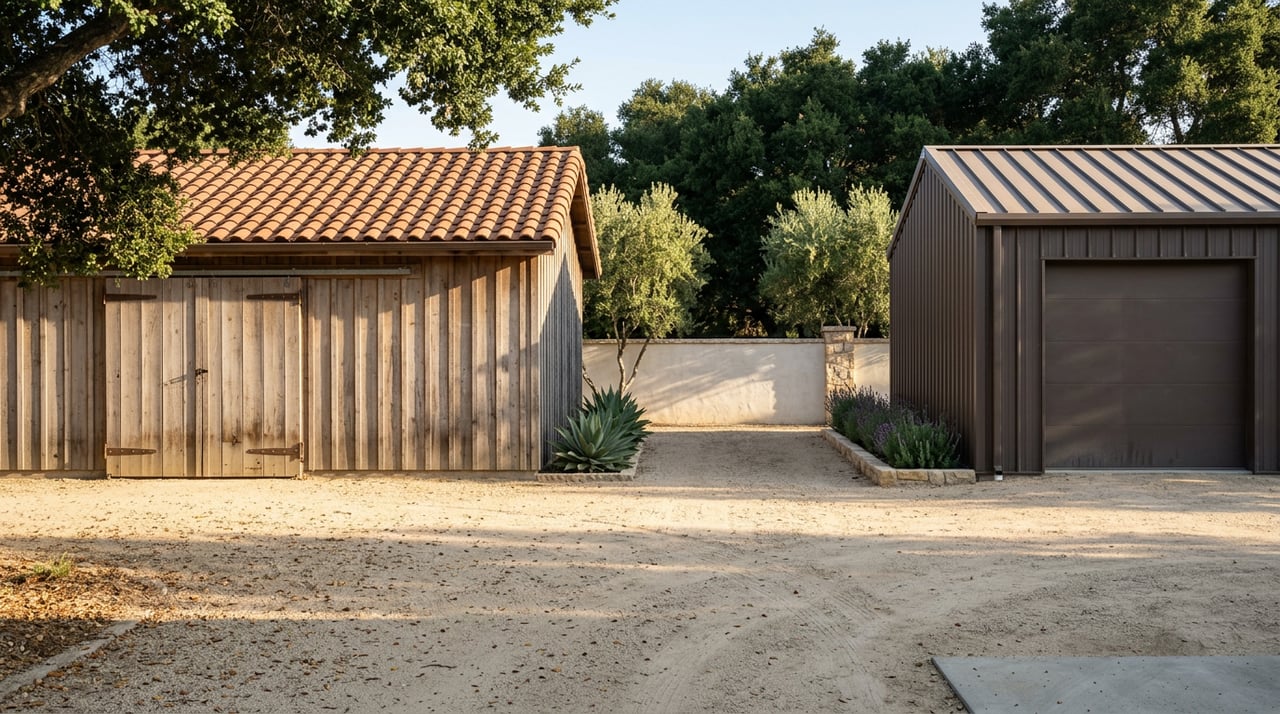
Listings typically feature a primary home plus one or more accessory structures. Treat photos and descriptions as illustrative only and confirm size, construction, and permit history during due diligence.
- Barns or loafing sheds with stalls, tack, and hay storage
- Shops or equipment sheds used for tractors, trailers, or maintenance
- Outdoor arenas or round pens, often with sand footing and perimeter fencing
- Cross-fenced paddocks and turnouts for daily rotation
- Septic systems, wellheads, and sometimes water-storage tanks for irrigation
If you plan to add or rebuild structures, know that accessory buildings and agricultural buildings usually require permits. Riverside County’s Building & Safety provides forms and guidance for accessory structures. Review the county’s permit forms and submittal resources and confirm requirements with the correct jurisdiction.
First checks that save time and money
Jurisdiction, permits, and records
- Confirm whether the parcel is in the City of Temecula or unincorporated county. This sets your code path and permit office. Use parcel maps, city/county portals, and seller disclosures. References like the City code portal help you understand how septic and related rules may be applied.
- Pull the building and permit history early. Include the home, roof, additions, barns, shops, and any conversions to living space.
- If permits are missing, budget time and money to bring structures up to code or remove unpermitted work.
Water supply and quality
- If the property has a private well, request the well log, recent pump test in gallons per minute, static water level, and maintenance records. Plan a licensed C-57 well driller to verify yield if you intend more irrigation or another dwelling.
- If the property uses public water, confirm the district and meter capacity. Many Temecula-area lots are served by RCWD. Start with RCWD resources and verify fees and capacity for your plans.
Sewer vs. septic
- Determine if the home connects to sewer or an onsite wastewater system (OWTS). Ask for septic permits, percolation data or certifications, pump history, and drain field location.
- Riverside County regulates OWTS and enforces abatement if a system fails. Review the county’s OWTS rules and enforcement provisions.
Fire access and wildfire exposure
- Gated driveways, private roads, and narrow access can trigger fire-department conditions such as gate setbacks, Knox access, or turnouts. Ask the local fire authority for written requirements.
- Many areas in SW Riverside County carry wildfire hazard designations. Check your parcel on the state’s Fire Hazard Severity Zone maps for Riverside County and confirm defensible-space expectations.
Soils and environmental overlays
- Soil type influences foundations, drainage, and septic feasibility. Run the NRCS Web Soil Survey and consider a geotechnical consult if you plan grading or new buildings. The NRCS notes offer helpful context on soil considerations. Start with the USDA/NRCS reference and then pull parcel-specific reports.
- Ask Planning/TLMA whether the parcel lies within an MSHCP cell or other conservation overlay. See the MSHCP overview for background and discuss parcel-specific steps with staff.
Barns, shops, and arenas: how to evaluate
Structure and drainage
Walk every post, header, and connection. Look for skewed or rotted posts, rusted metal framing, roof leaks, and uneven settlement. At grade, check for standing water and poor drainage, which can create mud, stress animals, and shorten a building’s life.
Inside, confirm feed and hay storage stays dry and ventilated. Ask the seller to identify any living conversions inside barns or shops. Unpermitted habitable space is a common deal risk.
Electrical and lighting
Confirm subpanels, breakers, and circuits are permitted and sized for actual loads. Wet areas like wash racks should have GFCI protection. If there is arena or yard lighting, a licensed electrician should verify safe wiring and switching.
Arena footing and base
Check footing for compaction, dust, and puddling. Ask about maintenance routines, recent resurfacing, and whether there is an engineered sub-base with drainage. Footing quality affects both safety and long-term costs.
Fencing, gates, and access
Walk the perimeter and cross-fencing. Note gaps, broken rails, loose hardware, and any electric lines that need repair or isolation. Test gates for smooth operation and clearance for trailers and emergency vehicles.
If the property is gated, ask whether the road is private and whether the fire authority requires a Knox system or specific setbacks. Request written access requirements to avoid surprises during escrow.
Permits and use approvals to confirm
- Accessory buildings and agricultural structures often need permits and plan checks. Review the county’s Building & Safety forms and categories and match them to each structure on site.
- Adding bedrooms or a guest house can trigger a septic upgrade or a sewer connection. See the county’s OWTS enforcement provisions and verify system capacity before planning expansions.
- Commercial activities such as boarding, breeding, or public riding arenas may require land-use approvals and operating plans. Confirm expectations with Planning/TLMA and, for waste handling or related registrations, the Agricultural Commissioner.
- Projects within conservation overlays can require biological surveys and mitigation. The MSHCP guidance provides context. Get parcel-specific instructions from Planning.
Manure and waste handling
Ask how manure is stored, hauled, composted, or land-applied. Poor handling can create nuisance issues and enforcement risk. Review local guidance from the Agricultural Commissioner on land application of manure and permits or notifications that may apply. See the county’s manure application guidance for details.
Red flags worth a pause
- Failing or undersized septic with no feasible replacement area
- Low-yield or dry well, or missing well documentation
- Multiple unpermitted conversions to habitable space inside barns or shops
- Conservation overlays that make your planned improvements costly or limited
- Inadequate or unapproved emergency access for a gated or private road
Who to bring to your walkthrough
- Local planning or permitting staff for a jurisdiction and zoning check
- A structural or roofing inspector experienced with post-frame barns
- A licensed electrician to inspect shop and barn wiring
- A licensed septic contractor or environmental health specialist for OWTS evaluation
- A C-57 licensed well driller and a water-quality lab for yield and potability tests
- A soils or geotechnical engineer if you plan grading, new foundations, or arena sub-base work
- An equine facility or arena contractor for footing and drainage
- An arborist if large trees are near structures
- Agricultural Commissioner staff for manure and animal-keeping guidance
Quick buyer checklist
- Confirm APN jurisdiction and pull the assessor parcel map. Verify City vs. County using resources like the City code portal.
- Pull building permit history for the home and all outbuildings. Use the county’s Building & Safety forms page as a reference for categories.
- If on a well, request the well log, schedule a pump test, and run lab water tests. If on public water, confirm district and meter capacity with RCWD or the noted provider.
- If on septic, request permits, pump receipts, and any certifications. Review county OWTS rules.
- Walk barns and shops with a structural inspector and licensed electrician. Flag any unpermitted living spaces.
- Walk fences, arenas, and paddocks after rain to evaluate drainage and compaction. Ask for arena maintenance history.
- Confirm wildfire zone status and defensible-space needs using the state FHSZ map. Ask the fire authority for written access requirements.
- Run NRCS Web Soil Survey and consult a soils engineer if planning new construction. See the USDA/NRCS reference.
- Contact the Agricultural Commissioner for manure handling guidance and any registrations. Reference the manure application guidance.
- Have title review recorded easements, road maintenance agreements, and any conservation easements.
Ready for a confident search?
Santiago Ranchos offers room to live your lifestyle, but due diligence makes all the difference. If you want a seasoned, locally rooted partner to coordinate inspections, verify permits, and guide strategy, reach out to Gena Elfelt for buyer representation in Temecula’s ranch corridor. With deep ranch knowledge and a client-first approach, you can move forward with clarity and confidence.
FAQs
What does “Santiago Ranchos” mean in Temecula?
- It is a local term for a band of larger-lot, often equestrian-friendly properties where parcels commonly range from about 1 to 5+ acres; verify each parcel’s city vs. county jurisdiction.
How do I verify a barn or shop is permitted in Riverside County?
- Pull the parcel’s building and permit history and compare to on-site structures; consult the county’s Building & Safety forms to understand permit categories.
Do Santiago Ranchos properties have public water or wells?
- Some connect to public water, often through RCWD, while others use private wells; confirm the provider or request well logs and pump tests using RCWD resources as a starting point.
What should I ask about a septic system before I buy?
- Request permits, percolation or certifications, pump history, and drain field location, and review county OWTS rules for upgrade or abatement triggers.
Are there wildfire rules for ranch properties in Riverside County?
- Many areas fall into mapped hazard zones; check your parcel on the state FHSZ map and confirm defensible-space and access requirements with the local fire authority.
Can I run a commercial boarding stable on a Santiago Ranchos property?
- Not by default; commercial boarding or public arenas often require land-use approvals, operating plans, and waste-handling compliance, so confirm requirements with Planning/TLMA and the Agricultural Commissioner.