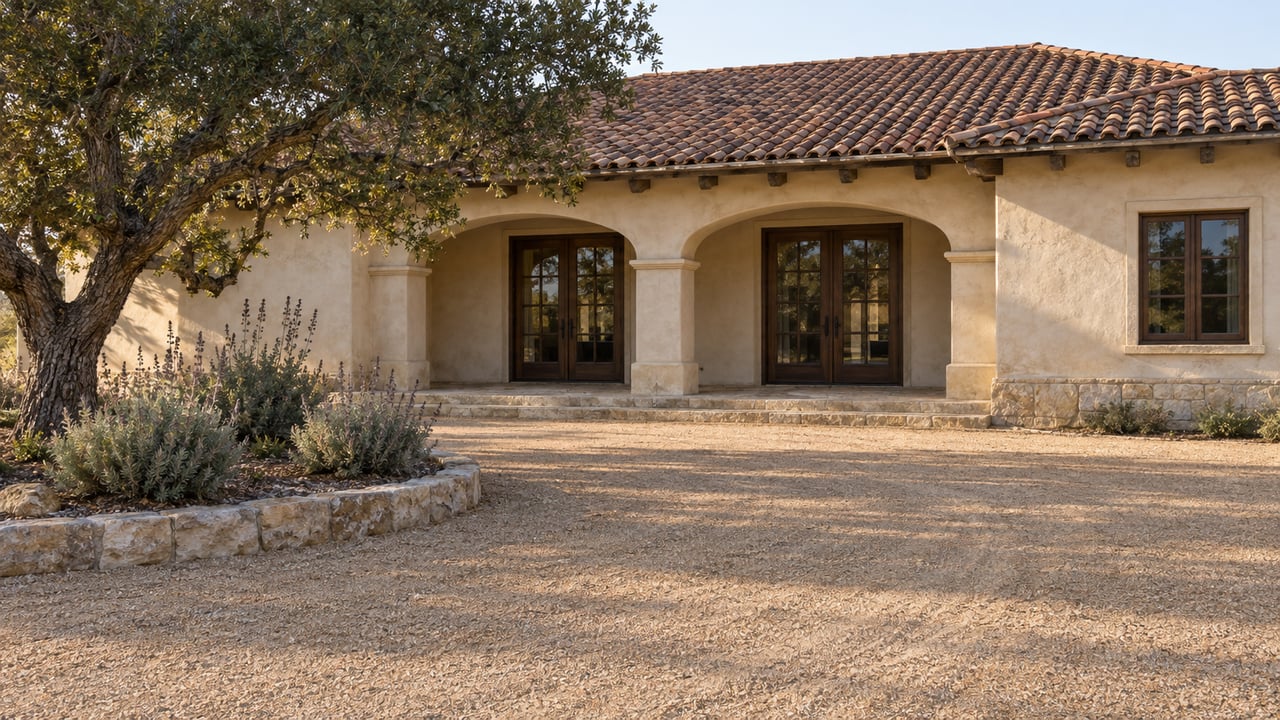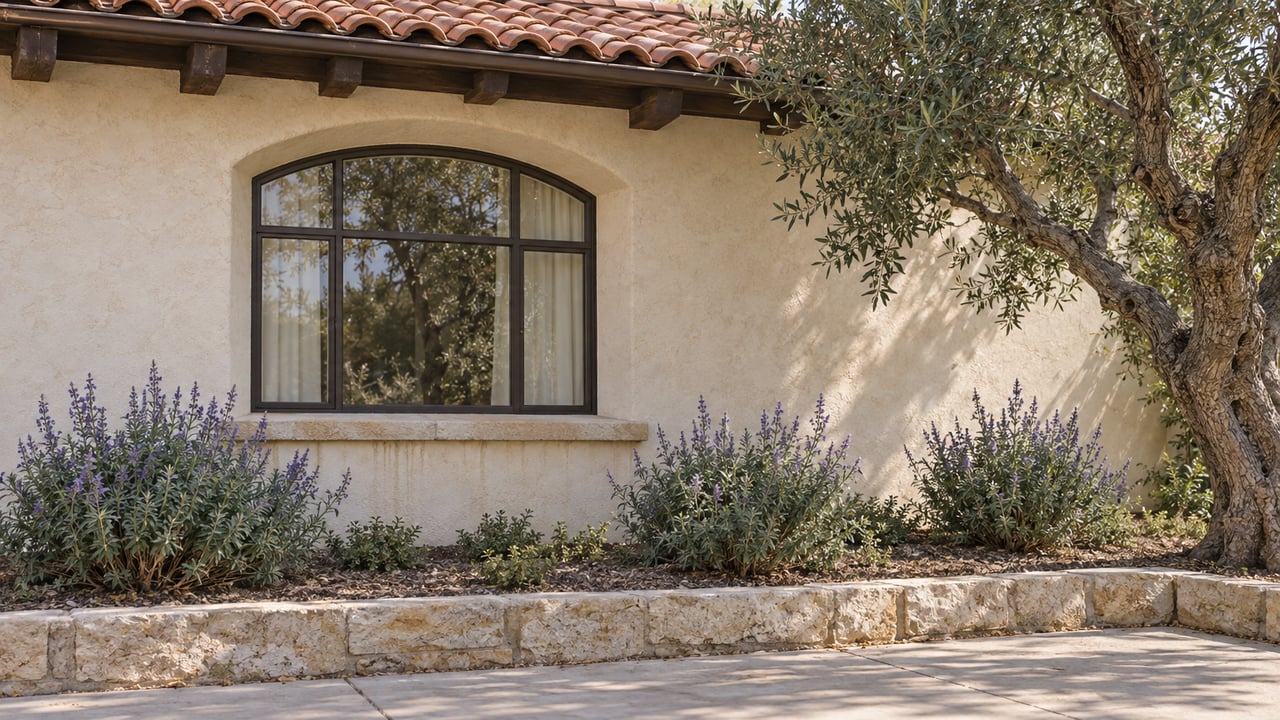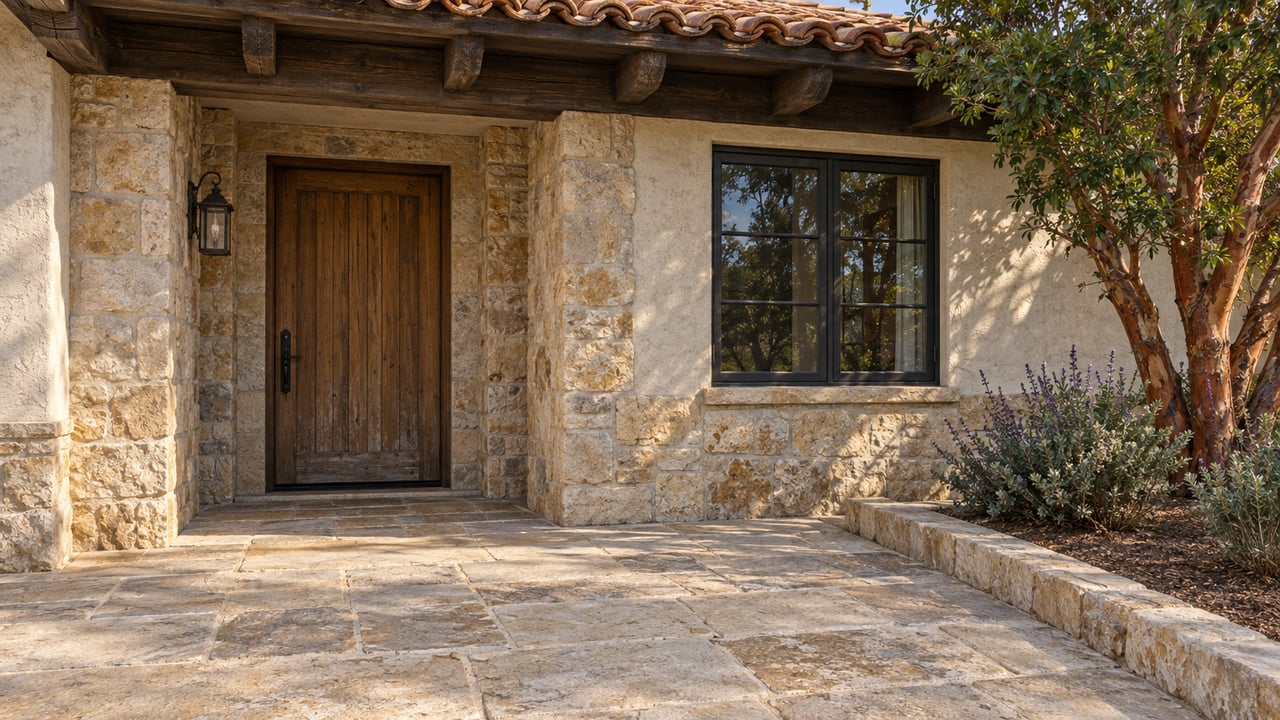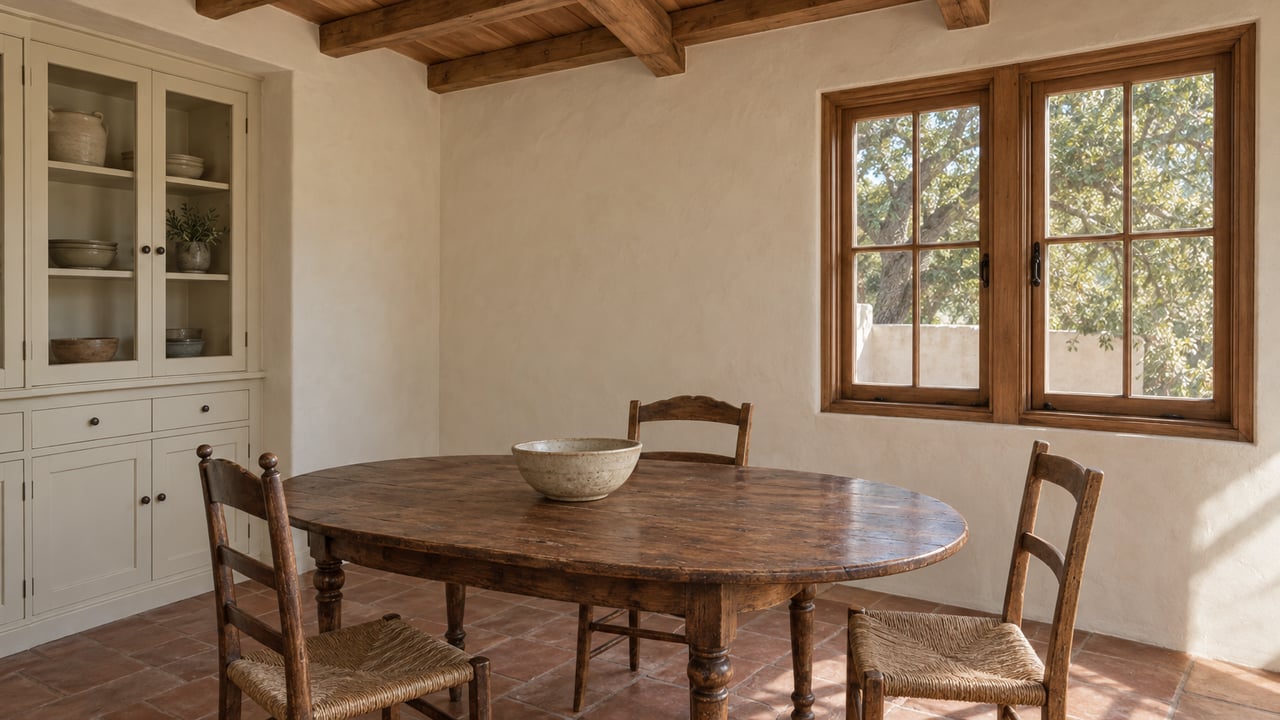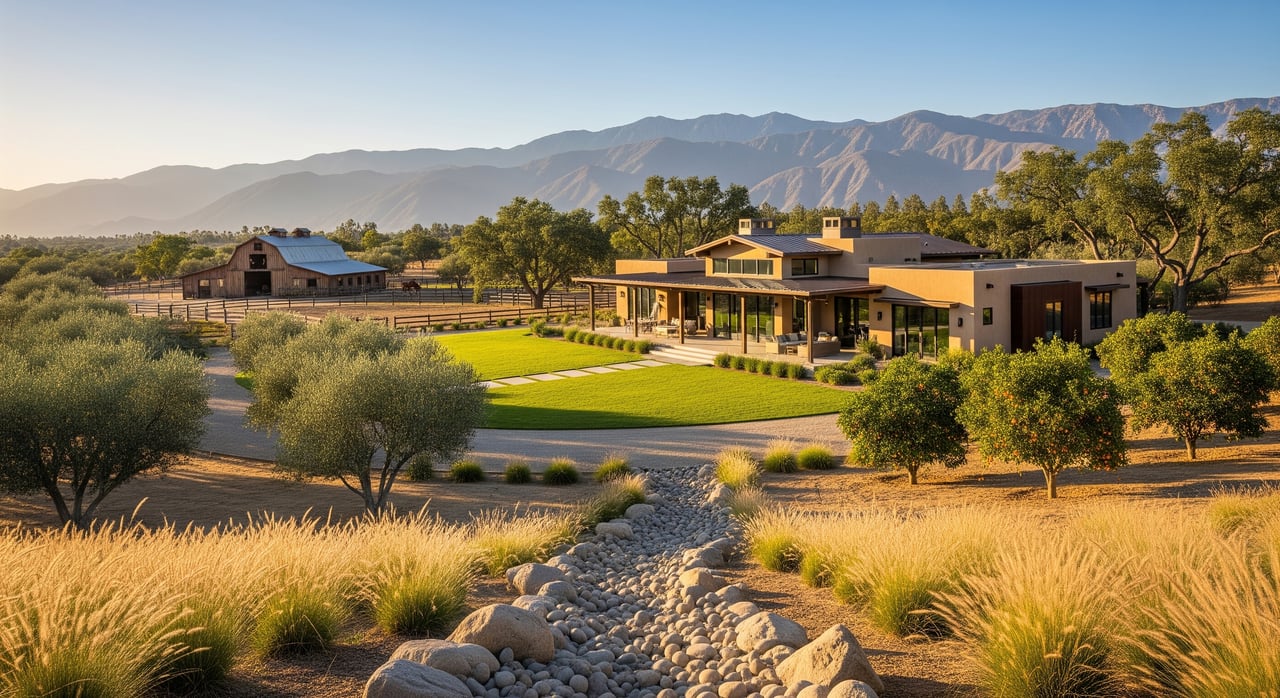
Thinking about trading a suburban yard for wide-open space, room for hobbies, and a little more privacy? If Los Ranchitos near Murrieta is on your radar, you are not alone. Many buyers look here for ranchettes, horse properties, and a rural feel without losing access to everyday amenities. In this guide, you will see what daily life really looks like on acreage, what systems you will manage, and the questions to answer before you buy. Let’s dive in.
Where Los Ranchitos fits
Los Ranchitos sits in southwestern Riverside County next to Murrieta. It feels semi-rural with a mix of hobby farms, horse properties, and single-family homes on larger lots. You trade walkable convenience for more space, while staying a short drive from Murrieta and Temecula for groceries, dining, medical care, and recreation. Jurisdiction varies by parcel. Some properties are in unincorporated Riverside County, while others fall inside Murrieta city limits. Verify jurisdiction first with the county assessor or the city planning department so you know which rules and permits apply.
Climate and seasons
Expect an inland Southern California Mediterranean climate. Summers are hot and dry, winters are mild, and Santa Ana winds can arrive seasonally. The long dry season shapes landscaping, water use, and fire preparedness. Plan irrigation and defensible space with the seasons in mind.
Property types and zoning basics
Lots commonly range from about an acre to several acres. You will find everything from manufactured homes on acreage to custom builds with barns, shops, and arenas. Zoning sets what you can do on the land, including animal counts, accessory buildings, and home-based businesses. If the parcel is in the county, Riverside County rules apply. If it is in the city, Murrieta’s municipal code controls. Always review the zoning designation, permitted uses, and any recorded CC&Rs before you write an offer.
Utilities and systems you will use
Water options
Some acreage homes use private wells for domestic and irrigation needs. Others may connect to a municipal system if they sit inside a service area. If a well is present, review well logs and production tests, and confirm any storage or irrigation setup. If served by a water district, expect tiered rates and potential drought restrictions.
Septic vs. sewer
Many rural parcels rely on septic systems. Ask for permits, age, pump records, and capacity. Inspections help confirm function and any future repair needs. Parcels with sewer connections will follow municipal service rules.
Power, gas, and backup
Electricity is typically from a regional provider. Natural gas is not always available to every parcel, so propane is common for rural homes. Some owners add generators or battery backups for peace of mind during outages.
Internet and connectivity
Internet choices vary by spot. Options can include cable or DSL where available, fixed wireless providers, and satellite solutions that many rural owners use for broadband. Confirm speeds and providers early if you work from home.
Roads and easements
Many acreage properties use private roads, shared driveways, and access easements. Determine if roads are county maintained or privately maintained. Confirm road maintenance agreements, easements, and any HOA responsibilities so you know costs and access rights.
Day in the life on acreage
Mornings
Many owners start early with chores. You might feed and water horses or other animals, check gates and fences, and walk the perimeter. Irrigation timers and hand-watering help trees and ornamentals through the dry season. After storms, a quick scan for drainage issues pays off.
Workdays
Commuting along the I-15 corridor to Murrieta, Temecula, or beyond is common. Many residents also split time between office and home. If you work from home, confirm your connectivity plan and consider shaded outdoor work spots for cool months.
Afternoons and evenings
Afternoons can be project time. Think fence repairs, mowing, weed control, or shop projects like woodworking. Evenings often shift to trail rides, gardening, and family time outdoors. In fire season, staying alert to local conditions is part of the routine.
Weekends and social life
Weekends are for bigger tasks and fun. That could mean arena work, property projects, or hosting friends on the patio. You are also close to Temecula wine country, regional trails, and local markets. Social life often connects through equestrian groups and community events in Murrieta and Temecula.
Fire readiness and insurance reality
Foothill and rural areas of inland Riverside County can carry elevated wildfire risk. Many parcels require defensible space, brush clearing, and attention to ember resistance. Plan routine brush abatement and evaluate roofing, vents, and landscaping as part of property care. Insurance can be more expensive or require mitigation measures. Get quotes and confirm coverage early in your process. A simple hardening plan can improve insurability and peace of mind.
Upkeep and recurring costs
Acreage living comes with ongoing care. Budget time and funds for:
- Animal and hobby needs: feed, bedding, veterinary care, farrier, and waste management.
- Water and septic: well service, pump maintenance, water testing, and routine septic pumping.
- Irrigation and landscaping: drip repairs, emitter replacements, and seasonal adjustments.
- Brush and weeds: annual fuel reduction to meet county and fire district rules.
- Fencing and outbuildings: fence line checks, barn roof and ventilation maintenance, and rodent control.
- Equipment: tractors or UTVs, trailers, and tools, plus storage and upkeep.
- Utilities and connectivity: propane, power, and potential upgrades for internet reliability.
- Emergency readiness: backup power, water storage, evacuation planning, and insurance reviews.
Buyer checklist before you write the offer
Use this quick list to guide your due diligence:
- Jurisdiction and permits: county or city as the authority, plus any recorded CC&Rs.
- Zoning and uses: animal counts, barns, arenas, ADUs, and home business rules.
- Water: private well details and production tests, or municipal connection and service boundaries.
- Septic: permits, system age, pump records, and capacity.
- Roads: public or private, road maintenance agreements, and who pays.
- Easements: access rights and any neighbor agreements.
- Fire readiness: defensible space requirements and fuel modification obligations, if any.
- Utilities: availability and cost for electric, gas or propane, and internet options.
- Boundaries: surveyed lines, fencing responsibilities, and shared facilities.
- Schools and services: confirm attendance boundaries and providers for trash, recycling, and animal control.
- Insurance: quotes that reflect wildfire risk and coverage terms.
Why people love Los Ranchitos acreage
- Space for horses, hobby agriculture, gardens, and shops.
- Privacy and room to host without leaving the region’s amenities behind.
- Ability to build specialized facilities, subject to permits and code.
- A community of like-minded owners who value land use and outdoor living.
- Quick access to Murrieta, Temecula, and wine country recreation.
Risks to weigh
- Higher ongoing maintenance for wells, septic, fencing, and brush work.
- Wildfire exposure that affects preparedness needs and insurance.
- Slower service response in some rural pockets compared with urban areas.
- Potential upgrades to meet current building, septic, or water standards on older properties.
Final thoughts and local guidance
Acreage life in Los Ranchitos can be deeply rewarding if you plan for the systems and seasonal rhythms that come with it. The key is to verify jurisdiction, understand utilities, and confirm what zoning allows before you fall in love with a property. A structured checklist and the right local team make the process smoother and lower risk. If you are exploring Los Ranchitos or nearby Temecula Valley acreage, connect with a local advocate who understands wells, septic, fencing, and equestrian facilities. For thoughtful buyer and seller representation, relocation support, or a pricing conversation, reach out to Gena Elfelt.
FAQs
What and where is Los Ranchitos near Murrieta?
- Los Ranchitos is a semi-rural area next to Murrieta in southwestern Riverside County with larger lots, equestrian and hobby agriculture uses, and quick access to city amenities by car.
How do water and septic typically work on acreage here?
- Many parcels use private wells and on-site septic, though some parcels have municipal water or sewer; always confirm the property’s specific setup, permits, and service boundaries.
Are horses and livestock allowed on Los Ranchitos parcels?
- Yes, many buyers choose the area for that reason, but the number of animals and facility rules depend on zoning and whether the parcel is under county or city authority.
What about wildfire risk and insurance for Los Ranchitos?
- Rural foothill areas can face higher wildfire exposure, so plan for defensible space and property hardening, and secure insurance quotes early to confirm coverage and cost.
How are roads and access typically handled?
- Parcels may use private roads or shared driveways with easements; confirm if roads are county maintained or private, and review any road maintenance agreements and costs.
What should I verify before making an offer on acreage?
- Jurisdiction, zoning and uses, water source and capacity, septic records, easements, road maintenance, fire requirements, utility availability, boundaries, services, and insurance quotes.