Thinking about Temecula or Murrieta and not sure which one matches your life? You’re not alone. Many buyers compare these neighboring cities for lifestyle, housing, and commute trade-offs before deciding. In this guide, you’ll get a clear, side-by-side look at what each city offers, plus a simple plan to choose with confidence. Let’s dive in.
Quick take: two great choices
Both cities sit side by side along I-15 in the Temecula Valley. You get similar access to open space, shopping, healthcare, and major commuter routes. The difference shows up in day-to-day feel and the types of neighborhoods you’ll tour.
- Temecula often appeals if you want wine-country energy, a historic downtown, and tourism-focused dining and events.
- Murrieta often appeals if you want more uniformly residential neighborhoods, a quieter pace, and strong value for space.
These are typical tendencies, not hard rules. You’ll find pockets in both cities that break the mold.
Lifestyle and vibe
Temecula: wine and events
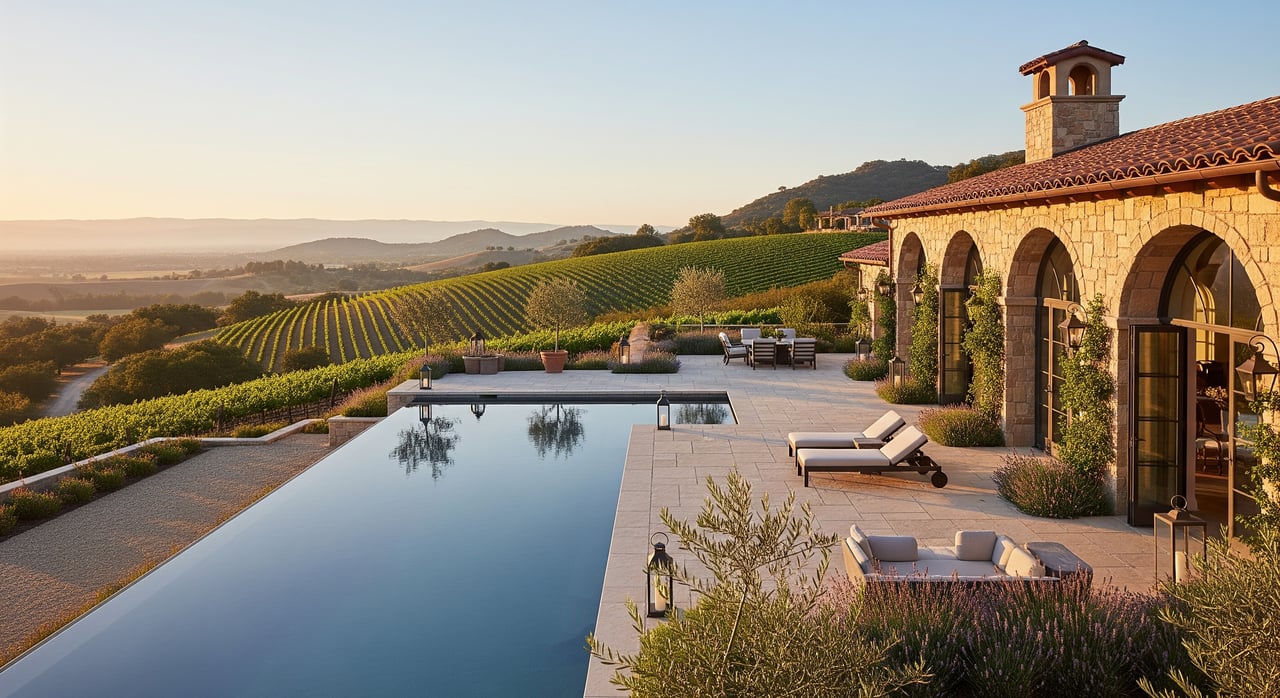
Temecula is closely tied to the Temecula Valley Wine Country, Old Town’s historic core, and a broader entertainment scene. You’ll find tasting rooms, seasonal events, resort options, and visitor-oriented dining. Many buyers like being near Old Town’s restaurants and the wine-country backdrop, even if they live in suburban neighborhoods a short drive away.
Murrieta: neighborhood pace
Murrieta leans residential with a focus on neighborhood parks, community recreation, and everyday retail. Many homes are in more recent subdivisions, so you see contemporary floor plans and newer infrastructure across large areas of the city. The vibe is relaxed and practical, with most amenities geared to residents rather than tourists.
Shared regional perks
Both cities share access to regional trails and preserves, including popular hiking and biking options. You’ll see community parks, sports complexes, golf, public pools, and local healthcare options across the valley. Major shopping centers and dining clusters are available in both cities, though Temecula has more tourism-facing choices and Murrieta has more resident-focused corridors.
Housing types and where to look
Entry options: condos and townhomes
Condos and townhomes appear in both cities, often near retail corridors and older infill areas by the historic cores. These can be a practical path into ownership if you want to keep the budget tight or prefer low maintenance.
Suburban single-family
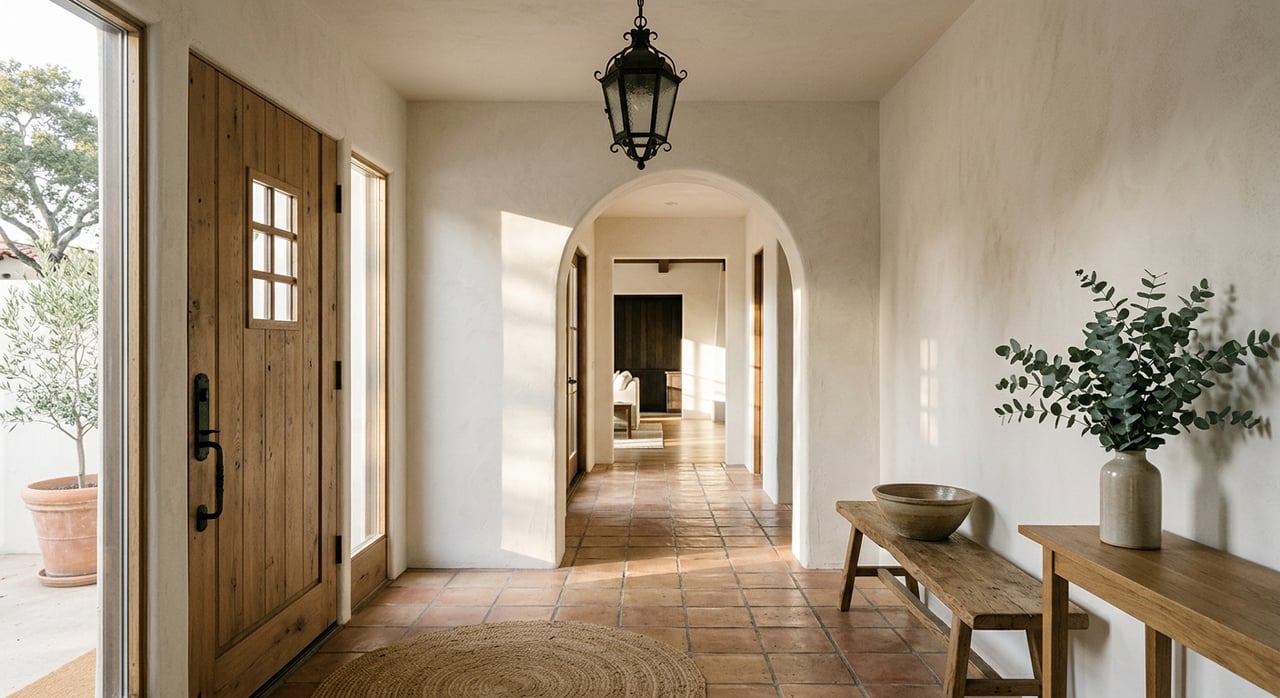
Traditional 3 to 4 bedroom homes with yards and attached garages dominate both markets. Cul-de-sacs, sidewalks, and local parks are common features. These neighborhoods are the backbone of the valley’s housing and often the sweet spot for first-time and move-up buyers.
Master-planned and gated
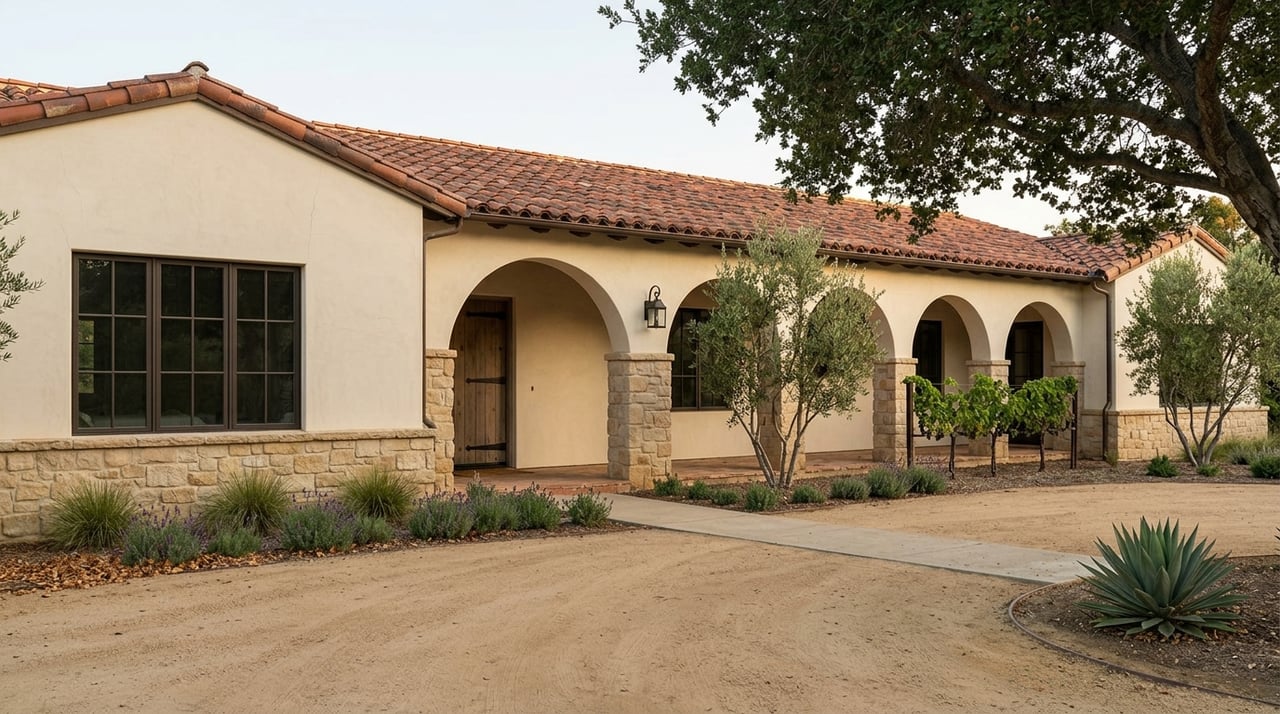
You’ll also find gated or HOA communities with pools, parks, and clubhouses. Some neighborhoods are golf oriented, while others focus on trails and open space. These homes can sit in the mid to upper bands of the local market depending on lot size and amenities.
Acreage and estates
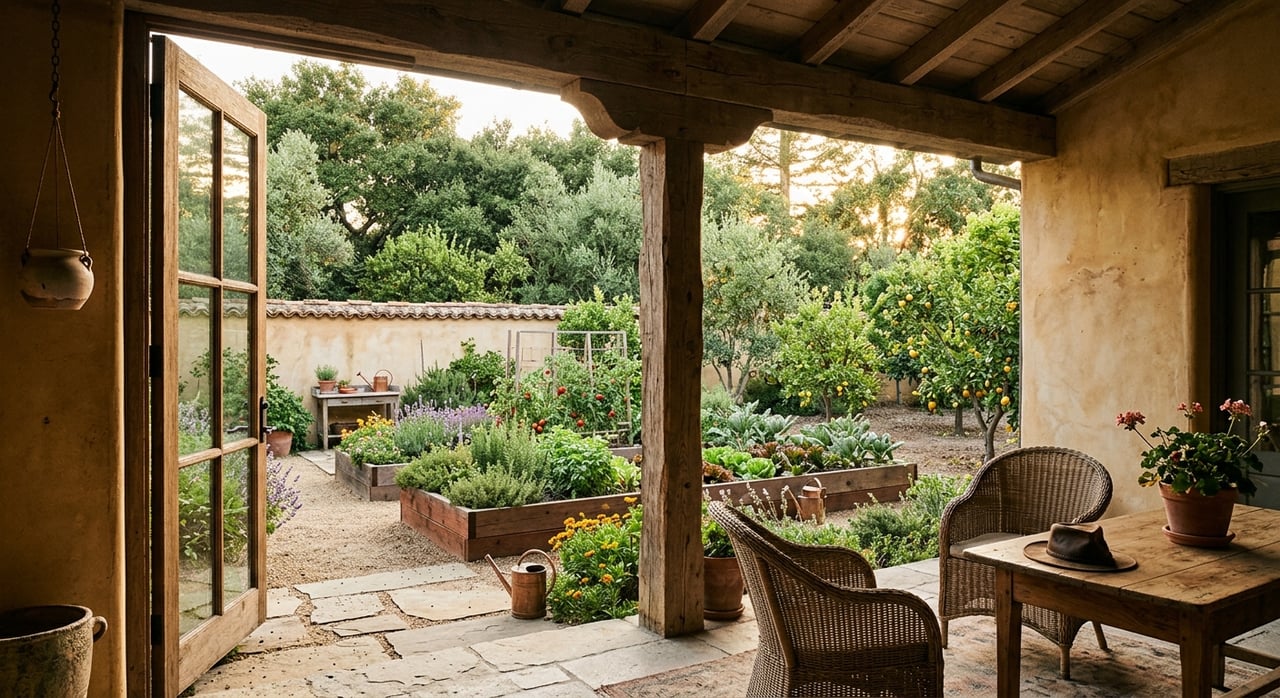
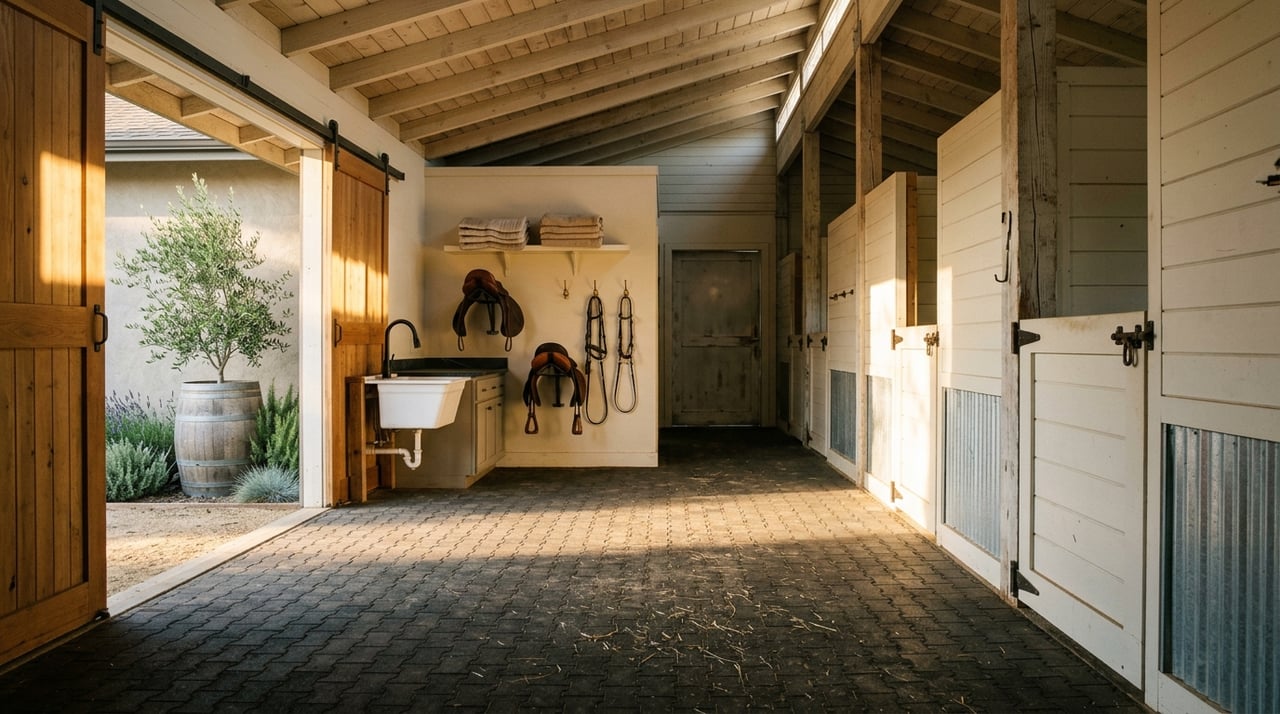
Want more land or privacy? Look at semi-rural pockets and wine-country-adjacent areas. Temecula’s wine-country side features more estate-style properties and the greatest concentration of vineyard-capable parcels. Both cities offer ranchettes and rural edges if you value space, equestrian features, or hobby agriculture. Expect fewer municipal services and more due diligence on wells, fencing, and land use.
Price and value reality check
Affordability depends on product type. Entry-level condos or smaller single-family homes typically set the lower starting points. Mid-range single-family homes anchor the mainstream market. Upper-tier homes offer more space or community amenities, while premium estates and vineyard properties sit at the top. Market conditions can shift quickly with seasonality and broader trends.
If you want the most up-to-date numbers, request a current market snapshot before you decide. A date-stamped look at median prices, days on market, and inventory by home type will help you compare options in real time.
Commute and daily logistics
Freeway access and routes
I-15 is the main corridor through both cities. It connects south to San Diego County and north to Orange County, Riverside, and the greater Los Angeles region. There are east-west arterials, but nothing matches I-15 for long commutes.
Southbound vs. northbound patterns
Drive times vary widely by time of day and direction. Morning southbound trips toward coastal job centers and afternoon northbound returns often see heavier congestion. Inland commutes to Riverside or Corona can be shorter than coastal routes. Test drives during your typical commute hours are the best gut check.
Transit options today
As of mid-2024 there was no frequent, direct commuter rail station in Temecula or Murrieta. Local and regional bus services operate, and some express or vanpool options may serve major hubs. Check current routes and consider employer transit benefits or carpooling to improve peak travel times.
Which fits your move
- Choose Temecula if you want wine-country proximity, a historic downtown, and more tourism-driven dining and events.
- Choose Murrieta if you want value-focused, neighborhood-centered living and a quieter daily rhythm.
- Choose specific neighborhoods based on your commute direction. Proximity to I-15 access points and your target job center can outweigh city lines.
- Choose acreage edges if outdoor space, equestrian use, or privacy top your list, and plan for added due diligence.
A simple decision checklist
Use this quick list to compare your top contenders:
- Lifestyle match: wineries and events or suburban tranquility.
- Housing type: condo, single-family, master-planned, or acreage.
- Commute: northbound vs. southbound, peak-hour tolerance, access to I-15.
- Daily needs: grocery, healthcare, parks, and errands within your routine.
- Long-term goals: resale appeal for your segment and future value plans.
For acreage and ranch buyers
If you are shopping for land, ranchettes, or equestrian features, zoom in on semi-rural pockets and Temecula’s wine-country surroundings. Be ready to evaluate water sources, cross-fencing, access, and land use. Rural ownership can be incredibly rewarding, but it requires the right inspections and local expertise to ensure the property fits your intended use.
Your next steps
- Define your must-haves and nice-to-haves. 2) Test commute times at peak hours and run a few daily-errand loops. 3) Tour a curated short list that spans both cities to feel the differences on the ground. A local advocate can streamline this process and secure the right property once you decide.
If you want an agent who knows both suburban neighborhoods and acreage properties across the Temecula Valley, reach out to Gena Elfelt. You will get practical guidance, responsive service, and a clear plan from tour to close.
FAQs
Which city is more affordable in the Temecula Valley?
- Affordability varies by home type. Entry-level condos or smaller single-family homes are typically the lowest-cost options, while acreage and estates sit at the top; request a current, date-stamped market snapshot before deciding.
What are typical commutes from Temecula and Murrieta?
- I-15 dominates; southbound mornings and northbound afternoons often see the heaviest traffic, so test your route at commute hours and consider carpool or transit options where available.
Are there many new developments in these cities?
- Both cities have seen continued suburban growth and infill in recent decades, with many neighborhoods offering contemporary layouts; verify current projects through local planning updates and market reports.
How do lifestyle and dining differ between Temecula and Murrieta?
- Temecula offers more tourism-oriented dining, events, and wine experiences, while Murrieta focuses on resident-serving retail and parks for everyday routines.
What should acreage buyers consider in this area?
- Confirm water sources, access, fencing, and land use early, and plan for specialized inspections since rural properties often have different systems and services than suburban homes.