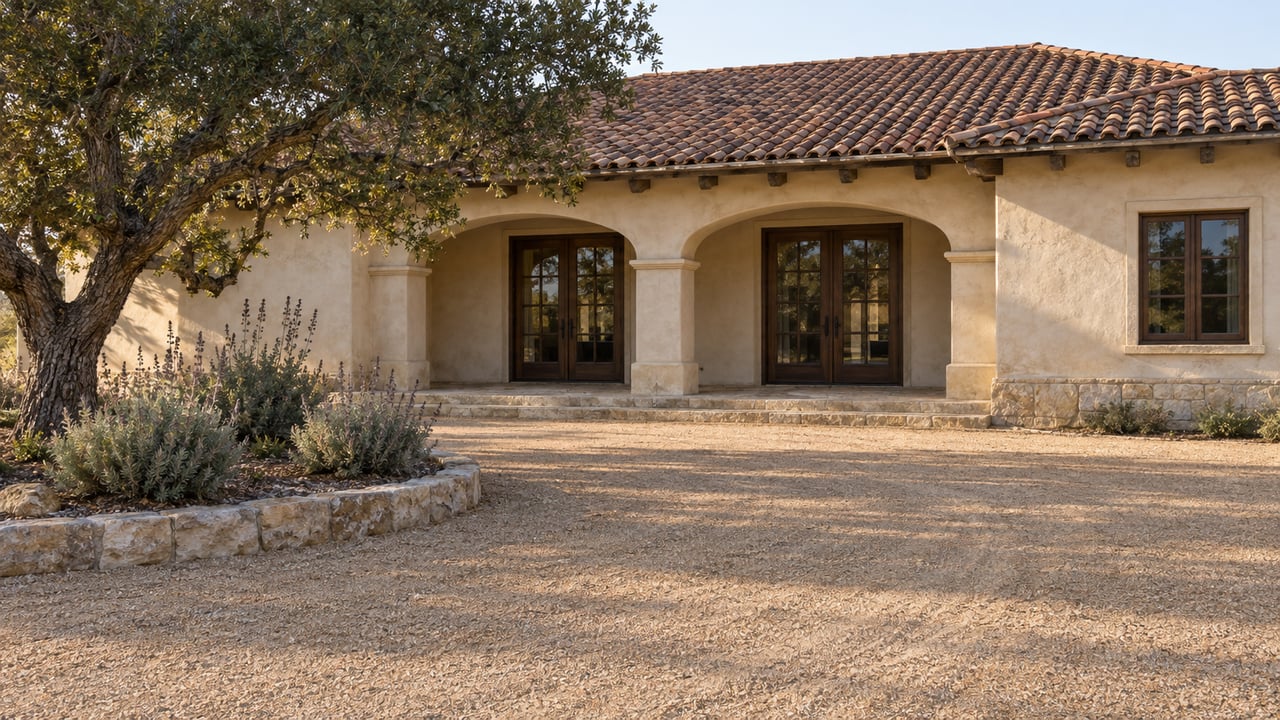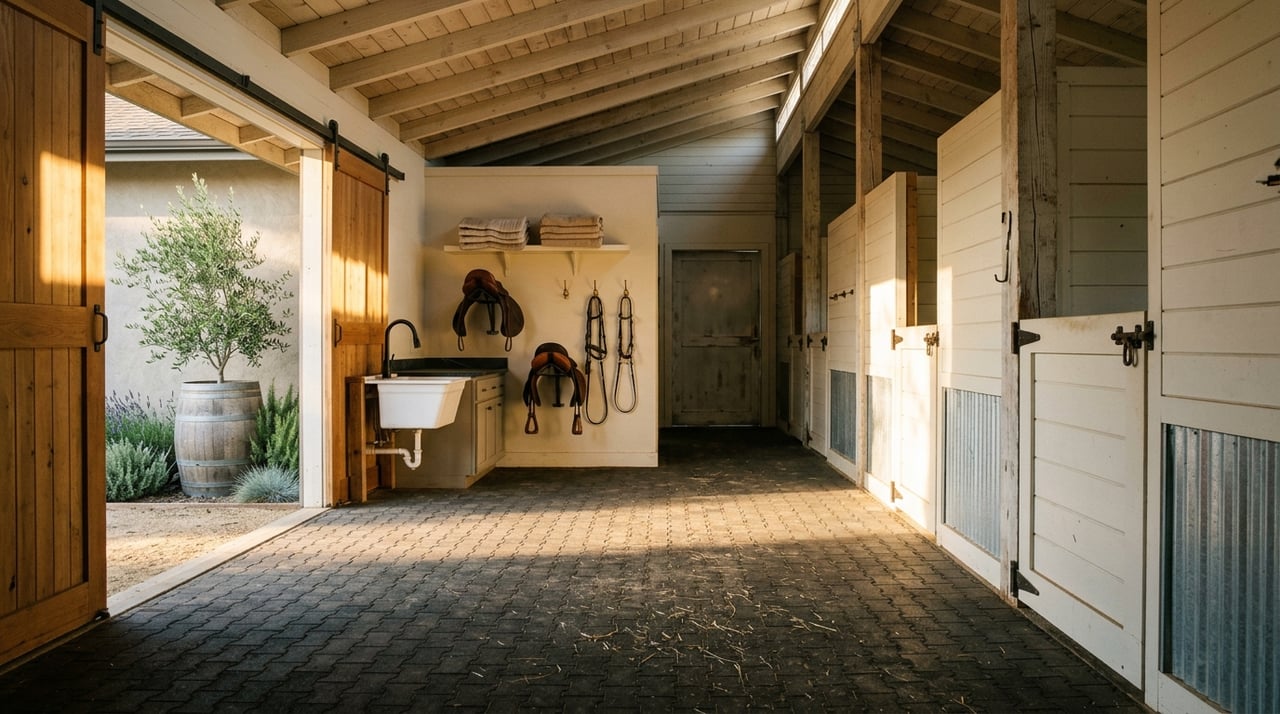
If you are selling in Santiago Ranchos, your horse setup is not a side note. It can be a major part of how buyers judge the property’s value, function, and appeal. The right marketing helps buyers understand not just that your property has equestrian features, but how those features actually work day to day. Let’s dive in.
Why equestrian details matter in Santiago Ranchos
Santiago Ranchos is best understood as a rural-residential and equestrian market, not a typical tract-home setting. In this part of Riverside County, the usable layout of the land can matter as much as the house itself.
That matters because horse-keeping rules vary by zoning and parcel size, and setbacks can affect how much of your land is truly functional. A buyer is not only asking, “Is there a barn?” They are also asking, “How usable is this property for the way I plan to live?”
Temecula’s broader planning framework also supports the value of rural character, open space, and large-lot living. Add in the area’s trail and outdoor recreation backdrop, and your equestrian features become part of a larger lifestyle story buyers already recognize.
Start with function, not fluff
When buyers shop for horse property, they are looking for facts they can trust. Pretty photos help, but they do not replace clear information about how the facilities perform.
Your listing should show whether the property works as a hobby setup, a lifestyle ranch, or a more active horse property. The more clearly you present that function, the easier it is for the right buyer to picture a fit.
This is especially important online. A 2024 NAR report found that 43% of buyers started their home search online, and buyers rated website photos, detailed property information, and floor plans as very useful. For ranch listings, that means your online presentation often does a lot of the heavy lifting before a buyer ever schedules a showing.
Highlight the features buyers want to see
Equestrian buyers usually want specifics early. General phrases like “horse property” or “room for animals” are rarely enough on their own.
Instead, highlight the features that help a buyer quickly understand the property’s setup:
- Barn layout and total stall count
- Stall size, ventilation, and electrical service
- Tack room and feed storage
- Arena dimensions and footing
- Arena lighting, cover, and drainage
- Turnouts, corrals, and pasture areas
- Fencing type and overall condition
- Shade, irrigation, and water access
- Trailer parking and gate width
- Turnaround space for larger vehicles
- Wash racks and drainage setup
- Manure handling and runoff control
These details help buyers judge both convenience and usability. They also help reduce confusion, especially for out-of-area buyers who may rely heavily on the listing before deciding whether to visit.
Show the parcel’s usable layout
In Santiago Ranchos, land usability can be a major selling point. A parcel may look generous on paper, but buyers will want to know how much of it is actually practical once access, setbacks, and improvements are considered.
That is why a strong listing should go beyond acreage alone. If possible, include a simple site plan, clear aerial images, and practical notes that show where the barn, arena, paddocks, trailer area, and access points sit on the land.
This helps buyers quickly understand flow. They can see how horses move through the property, how trailers enter and exit, and whether the setup supports everyday use without awkward bottlenecks.
Use visuals that answer real questions
For equestrian property, visuals should do more than look polished. They should answer the questions a serious buyer is already asking.
Professional photography is important, but so are drone images, floor plans, and virtual tours. NAR’s guidance on online listings recommends offering as much visual information as possible, including photos, video, virtual tours, and floor plans. For Santiago Ranchos sellers, those tools are especially useful because they help remote buyers understand the property before an in-person visit.
The best visual package often includes:
- Wide exterior shots that show the relationship between the house and horse areas
- Drone views for land layout and access
- Close-ups of stalls, tack space, fencing, and footing
- Arena angles that show dimensions and condition
- Entry and gate views for trailer access
- A site or floor plan that gives buyers a quick overview
- Virtual tours or live walkthroughs for out-of-area interest
A buyer should be able to grasp the setup in minutes, not guess at it from a few exterior photos.
Be clear about zoning and horse-keeping rules
One of the biggest mistakes sellers make is assuming existing use tells the full story. In Riverside County, horse-keeping rules depend on zoning, lot size, width, and setbacks.
For example, in several residential zones, noncommercial horse keeping requires lots of at least 20,000 square feet and 100 feet in width. Other zones, including R-T-R and R-A, have their own setback standards, and A-P zoning allows grazing up to five animals per acre.
That is why your marketing should be accurate and grounded in the property’s actual zoning. If buyers are going to ask how many horses the property can legally support, it is better to prepare for that question early with clear, verified information.
Address permits and existing improvements
Buyers of horse property often look beyond appearance. They want to know whether barns, stalls, arenas, corrals, and fencing are simply there or whether they were permitted as required.
You do not need to overload the listing with technical language, but you should be ready for the question. If documentation is available, organized information can help support buyer confidence and keep the transaction moving.
This is one place where experienced local representation matters. Equestrian buyers tend to ask more detailed due diligence questions than buyers of standard suburban homes, and those details need careful handling from the start.
Do not overlook drainage and runoff
Drainage may not sound exciting, but it can be a meaningful part of your property story. Temecula’s stormwater program specifically identifies horse ranches and equestrian facilities as nutrient sources for runoff education, and the city warns that rain and irrigation runoff can carry pollutants into local waterways if not managed well.
For sellers, that means drainage is not just a maintenance topic. It is part of how buyers evaluate the condition and practicality of wash areas, paddocks, arenas, and manure handling.
If your property has thoughtful drainage, stable footing, defined wash areas, or a clear manure management approach, those are worth mentioning. Buyers often see these features as signs that the property has been operated and maintained with care.
Understand the Williamson Act question
If your property is in an agricultural preserve or under a Williamson Act contract, that can shape both use and tax considerations. Riverside County notes that land conservation contracts can provide property tax relief in exchange for keeping land in agricultural or compatible open-space uses for at least 10 years.
The assessor also indicates that agricultural-preserve land is assessed on agricultural production rather than current market value. Because preserve establishment and annexation depend on acreage and agricultural zoning, this is a detail that should be identified accurately if it applies to your property.
Not every Santiago Ranchos listing will involve this issue, but when it does, buyers need clarity. It is far better to explain the status early than leave room for confusion later.
Market the lifestyle and the utility
The strongest Santiago Ranchos listings do two jobs at once. They present the property as a usable rural asset and as a lifestyle opportunity.
That means showing the practical side, such as stall count, access, fencing, drainage, and zoning context. It also means showing the broader setting that makes the property feel special, including open space, outdoor recreation, and the trail-oriented character of the Temecula area.
When those two elements work together, buyers can connect the dots. They see not just a house with horse improvements, but a property that supports the way they want to live.
What sellers should prepare before listing
Before your home goes live, it helps to gather the details that serious buyers are likely to ask about. This can make your marketing sharper and your sale smoother.
A smart pre-listing checklist includes:
- Confirm the property’s zoning
- Review parcel size, width, and general setbacks
- Identify how much of the land is truly usable
- Count and measure stalls, turnouts, and arena space
- Note fencing type, access points, and trailer circulation
- Gather any available records on improvements or permits
- Review drainage, wash areas, and manure handling setup
- Clarify whether the property is in an agricultural preserve or contract
- Plan professional photography, drone images, and a site plan
This preparation gives your listing stronger facts and fewer weak spots. It also helps buyers feel that the property has been represented with care and transparency.
Why expert marketing matters
Selling a horse property is different from selling a standard home. Buyers often need more detail, better visuals, and a clearer explanation of how the land and improvements work together.
NAR’s 2024 seller data show that most sellers used an agent, and marketing help was one of the top reasons. In a niche market like Santiago Ranchos, that support matters even more because the listing has to communicate both emotional appeal and technical value.
With the right strategy, your property can stand out for the reasons that matter most. Strong pricing, premium presentation, and clear feature storytelling can help attract buyers who understand what your property offers.
If you are thinking about selling in Santiago Ranchos, working with a local agent who understands both residential marketing and ranch-specific details can make a real difference. To talk through your property’s equestrian features, pricing, and presentation, connect with Gena Elfelt.
FAQs
What equestrian features should sellers highlight in a Santiago Ranchos listing?
- Sellers should clearly present barn and stall count, stall size, ventilation, arena dimensions, footing, fencing, turnouts, trailer access, wash areas, storage, drainage, and manure handling.
Why does zoning matter when selling horse property in Santiago Ranchos?
- Riverside County horse-keeping rules vary by zoning, parcel size, width, and setbacks, so buyers want to know what the property can legally support and how much land is actually usable.
How should sellers market horse property online in Santiago Ranchos?
- Sellers should use professional photos, drone images, a site plan or floor plan, detailed feature notes, and virtual tours or live walkthroughs so buyers can understand the setup before visiting.
What drainage issues matter for Santiago Ranchos horse properties?
- Buyers often look at arena drainage, wash rack runoff, paddock condition, and manure management because stormwater and irrigation runoff can affect both maintenance and property condition.
What is the Williamson Act and why might it matter to Santiago Ranchos sellers?
- If a property is in an agricultural preserve or Williamson Act contract, it may involve specific land-use obligations and agricultural-based tax treatment, so sellers should identify that status clearly if it applies.
Why is a specialized agent helpful when selling a Santiago Ranchos equestrian home?
- Horse-property buyers often ask detailed questions about zoning, usability, access, and improvements, so an agent with local ranch knowledge can help present the property accurately and effectively.