Curious what your Temecula home is worth right now? You are not alone. Whether you are planning a move, considering a refinance, or just tracking equity, a clear number helps you make smart decisions. In this guide, you will learn what actually drives value here in Temecula, how a professional CMA is built, and when to rely on an instant estimate versus a custom analysis or appraisal. Let’s dive in.
What drives Temecula home value
Pricing in Temecula comes down to a handful of core factors. The key is how they interact in your specific micro-location.
- Comparable sales (comps). Recent nearby sales of similar homes are the primary anchor for value. Look for matches on property type, square footage, bed/bath count, lot size, age, and sale date. In active markets, 3 to 6 months of closed sales is ideal.
- Condition and improvements. Updated kitchens and baths, newer roof or HVAC, and visible care can lift value. Extensive remodels, unique finishes, or non-standard floor plans require careful adjustments because automated models often miss them.
- Micro-location. Temecula’s submarkets differ. Old Town, wine-country fringes, gated or golf communities, and newer master-planned tracts attract different buyer pools and price expectations. View lots, hillside settings, and homes backing to open space or vineyards often command premiums. Busy roads can cut into value.
- Market conditions and timing. Inventory, days on market, list-to-sale price ratios, pending activity, and mortgage rates all influence final prices. Spring and early summer often bring more buyer activity, though rates can shift dynamics fast.
- Costs and legal items. Property taxes, Mello-Roos or special assessments, HOA dues and restrictions, and any zoning or easement issues can affect buyer affordability and marketability. Flood or wildfire risk may also come into play for some properties.
- Financing and buyer type. Cash buyers, conventional, VA, and FHA buyers view condition and appraisal differently. Appraisals matter for financed purchases, which can affect the final number.
How a professional CMA works in Temecula
A Comparative Market Analysis is a data-backed opinion of value prepared by a local agent who knows your submarket. It goes beyond a quick online estimate by verifying data, adjusting for differences, and recommending a strategy.
Data sources and verification
A thorough CMA pulls from multiple inputs: recent closed, pending, and active MLS listings; county records; local knowledge of off-market activity; and observations from a walkthrough or drive-by. The agent also screens out atypical sales like family transfers or bank-owned discounts and notes seller concessions.
Picking the right comps
- Start with a 3 to 6 month window for closed sales. Widen as needed if activity is thin.
- Match property type, bed/bath count, living area, lot size, age, and neighborhood or tract.
- Favor comps within the same subdivision or school boundary for better apples-to-apples comparisons.
Adjustments and price range
An agent adjusts for square footage, bedrooms and baths, lot size, condition and upgrades, age, garage capacity, pools, and views. They also account for market movement between comp sale dates and today. The result is a reconciled price range, usually presented as low, likely, and high scenarios with clear reasoning.
Market indicators inside your CMA
Expect to see days on market, sale-to-list price ratios, months of supply, active and pending counts, absorption rate, and price per square foot ranges for your immediate area. These context points help you decide how aggressive to be.
Pricing strategy and net proceeds
A strong CMA pairs pricing with a plan. You will see at least two strategies, such as a conservative list price aiming for clean terms or a targeted price designed to spark multiple offers. You should also receive a draft net sheet outlining estimated closing costs, taxes, and any payoffs so you can plan your bottom line.
Instant estimate vs CMA vs appraisal
Not every valuation tool serves the same purpose. Here is how to decide what you need.
- Instant estimates. Online tools like Zestimates or other automated models are fast and free. They are useful for a quick ballpark, especially for typical tract homes. They cannot see interior condition, recent renovations, Mello-Roos or HOA nuances, or small submarket shifts. Expect bigger errors for unique homes, remodels, rural parcels, and new construction.
- Custom CMA. A local agent’s CMA uses live MLS data and real-world knowledge of buyer demand, off-market chatter, and recent micro-trends. This is the right choice if you plan to sell soon, want to price strategically, or need a grounded opinion before a refinance discussion.
- Licensed appraisal. A state-licensed appraiser provides a formal report often required by lenders for purchases and refinances. It costs money and takes longer than an instant estimate. It is a point-in-time opinion and relies on recent closed sales.
Use an instant estimate for initial curiosity, a CMA when preparing to list or to test pricing scenarios, and an appraisal when a lender requires it.
Temecula micro-markets to consider
Temecula is a collection of submarkets, each with its own pricing logic. Your CMA should reflect these nuances.
Old Town and central Temecula
Closer-in neighborhoods can trade on walkability, restaurants, and charm. Buyers who value lifestyle often search here. Pricing should compare similar age, lot patterns, and updates.
Wine Country and rural outskirts
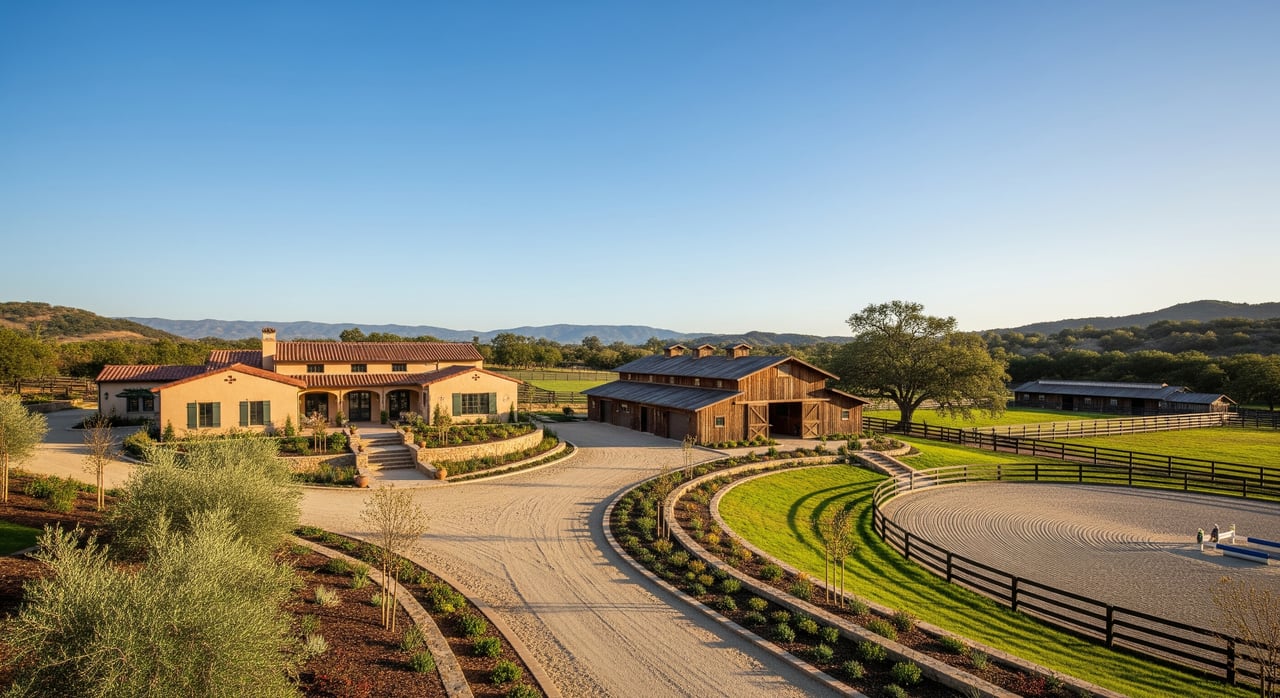
Acreage, views, and privacy drive value. Lot usability, access, and land improvements matter. Sales can be sparse, so the comp radius may be wider. Be mindful of differences between vineyard, equestrian, and general rural uses.
Master-planned communities and new tracts
Consistent home styles and predictable HOA and Mello-Roos structures make for cleaner comps. Buyers compare by tract, floor plan, and upgrade packages. Stay within the subdivision when possible.
Gated and golf communities
Amenities and lifestyle features, such as clubhouse access or course proximity, influence pricing. Compare to similar amenity communities to avoid mismatched comps.
Suburban neighborhoods near I-15 and retail
Commuter-friendly locations often attract steady demand. Pricing can reflect commute considerations and proximity to services. School boundaries can influence buyer interest, so your CMA should note the assigned schools.
Costs and disclosures that can impact value
- Property taxes and assessments. Prop 13 protects existing assessments, but when a home sells, new buyers see a reassessed value near the purchase price. Mello-Roos or special taxes, common in some newer areas, affect monthly affordability.
- HOA dues and restrictions. Higher dues or strict rules can lower buyer willingness to pay for some homes. Disclose HOA details early to avoid surprises.
- Zoning, easements, and hazards. Easements, flood status, and wildfire risk can influence marketability and lending. Note any defensible-space or mitigation measures for properties near open space.
What to share to price accurately
The better the inputs, the sharper your valuation. Gather these before you request a CMA.
- Full property address, including unit number if applicable
- Recent permits and renovation records, including contractor details
- Notes on deferred maintenance or issues like roof, foundation, or termites
- HOA dues, rules, and contact info; Mello-Roos or special assessments
- Interior and exterior photos, especially of kitchens, baths, systems, and yard
- Your goals and timeline, including desired net proceeds or minimum acceptable price
Quick ways to boost value
You do not need a full remodel to make a real difference. Focus on the highest-return tweaks.
- Improve curb appeal: fresh mulch, trimmed landscaping, tidy entry
- Knock out small repairs: leaky faucets, door hardware, outlet covers
- Refresh kitchens and baths: updated lighting, cabinet hardware, grout and caulk
- Neutral interior paint and deep clean of flooring and windows
- Declutter and stage key rooms for photos and showings
A realistic timeline to list
Every home is different, but this general plan keeps you on track.
- Week 1: Consultation and CMA, gather documents, set goals
- Weeks 2–3: Tackle repairs, light upgrades, and pre-listing inspection if needed
- Week 4: Staging and professional photography
- Week 5: Final pricing review and launch based on live market data
If you need to move faster, a streamlined plan can compress prep and staging. If you want to maximize, add a week for touch-ups and photo-ready styling.
How we pick comps in Temecula
- Start hyper-local: same tract or subdivision when possible
- Match bed/bath count, square footage, lot size, and age
- Use the most recent closed sales and nearby pending deals to reflect momentum
- Adjust for condition, upgrades, views, pools, and location within the neighborhood
- Cross-check active competitors to position your list price strategically
What sellers often forget to mention
- Permits for remodels or additions, including ADUs
- Recent system upgrades like roof, HVAC, water heater, or well equipment
- HOA and Mello-Roos details and any special assessments
- Neighborhood perks not obvious from the street, such as trail access or community amenities
When to get an appraisal
- You are refinancing or your lender requires a formal value
- You need a lender-accepted valuation for estate, trust, or legal matters
- You want an independent, point-in-time opinion beyond a CMA
For most listing decisions, a CMA is the right first step. You can always order an appraisal later if needed.
Next steps
If you want a quick snapshot, start with an instant estimate. If you want accuracy you can take to the bank, request a custom CMA that reflects your home’s condition, location, and today’s market. You will receive a clear price range, strategy options, and an estimated net sheet.
Ready to see what your Temecula home is worth today? Reach out to Gena Elfelt to get your instant home valuation and a tailored CMA for your property.
FAQs
How accurate are instant home value estimates in Temecula?
- They are useful ballparks for typical tract homes, but they often miss renovations, micro-location differences, Mello-Roos or HOA nuances, and unique or rural property features.
What is the difference between a CMA and an appraisal?
- A CMA is a local agent’s market-based opinion for pricing strategy, while an appraisal is a licensed, lender-accepted valuation used for financing and formal purposes.
How long does it take to get a CMA for my home?
- A thorough local CMA usually takes 24 to 72 hours, depending on property complexity and the availability of strong recent comps.
Do Mello-Roos and HOA fees affect my home’s market value?
- These costs reduce buyer affordability and can lower marketability, so they are factored into pricing and compared across comps in a proper CMA.
Should I make repairs before listing my Temecula home?
- Prioritize safety and major systems, fix items likely to surface in inspections, and invest in curb appeal and staging for the best return.
Will staging help my home sell faster in Temecula?
- For many suburban homes, staged and decluttered spaces photograph and show better, which can reduce days on market and support stronger offers.